Power & light
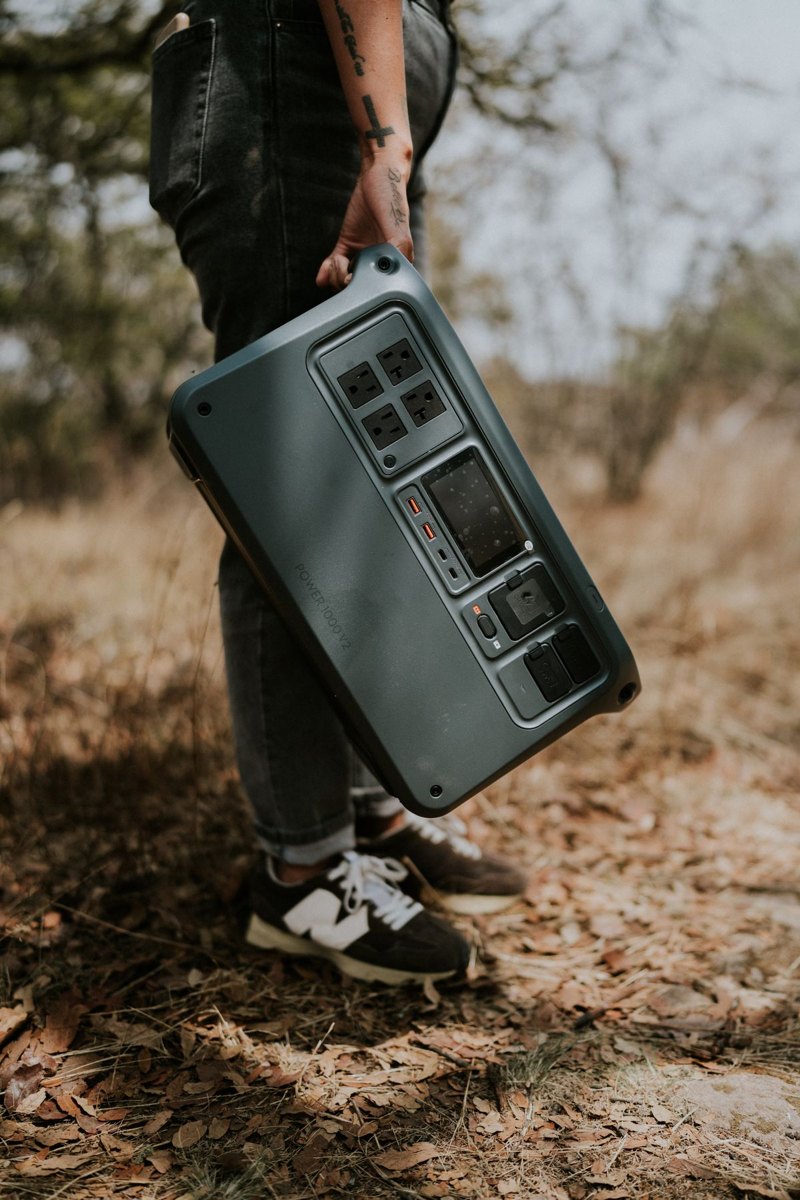
Understand watt-hours before buying a power station
Battery capacity and output power answer different questions. Separate them before estimating an outage runtime.
Household preparedness, one task at a time
Start with a light you can find. Then make room for water, a way to reach someone and a plan everyone understands.
Start with lighting →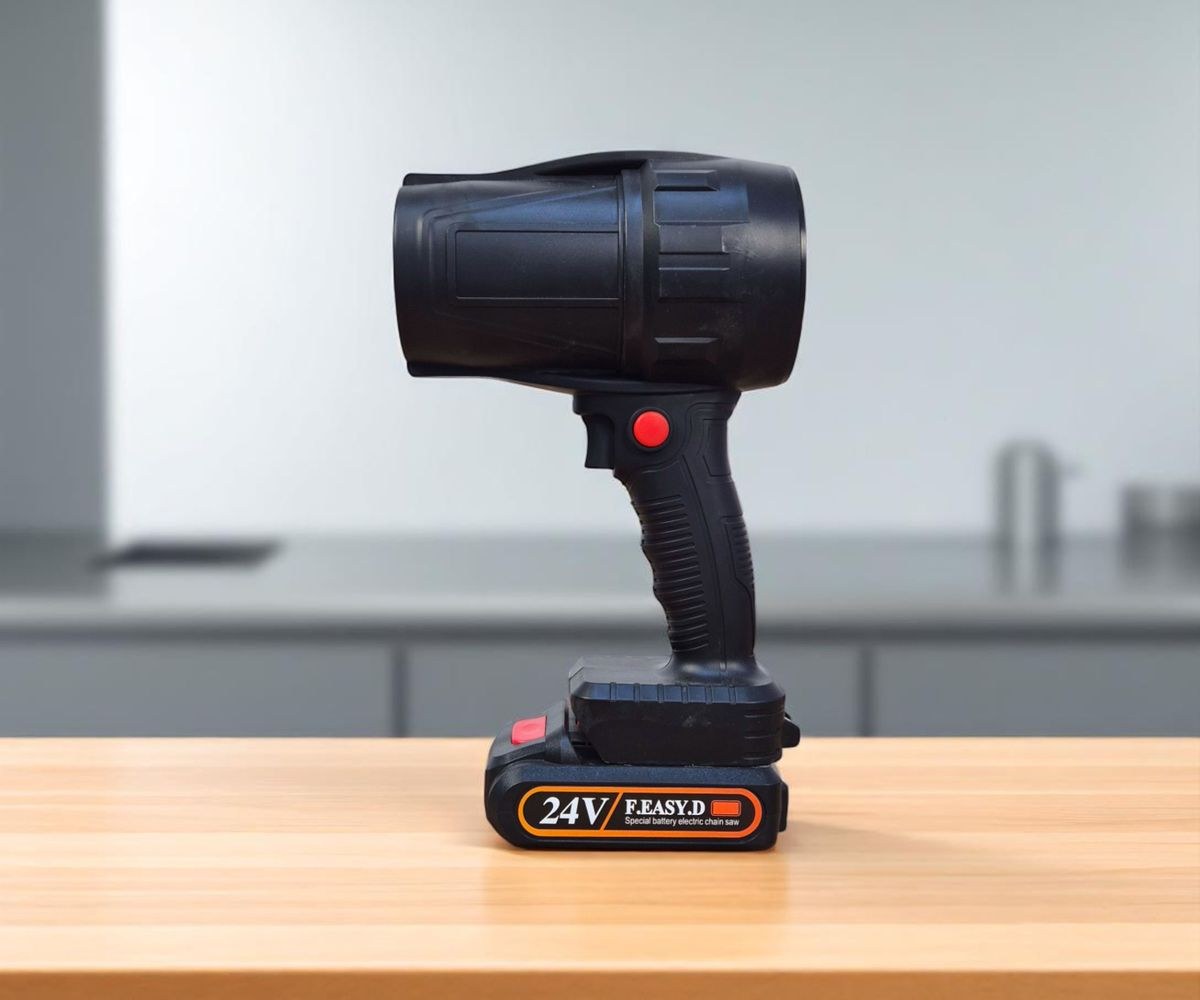
Keep essential devices and everyday tasks running.
Plan storage, rotation and meals around the space you have.
Make shared decisions before they become urgent.
Get the house and your decisions ready for changing conditions.
Organize a trip around the route, the conditions and the people.
Take a smaller, well-chosen version of your plan with you.
Small routines that keep supplies usable and plans current.
Start a conversation
A contact card gives your household something to reach for when a battery is flat or a familiar number slips your mind.
Make a household contact card →Power & light
Battery capacity and output power answer different questions. Separate them before estimating an outage runtime.
Water & pantry
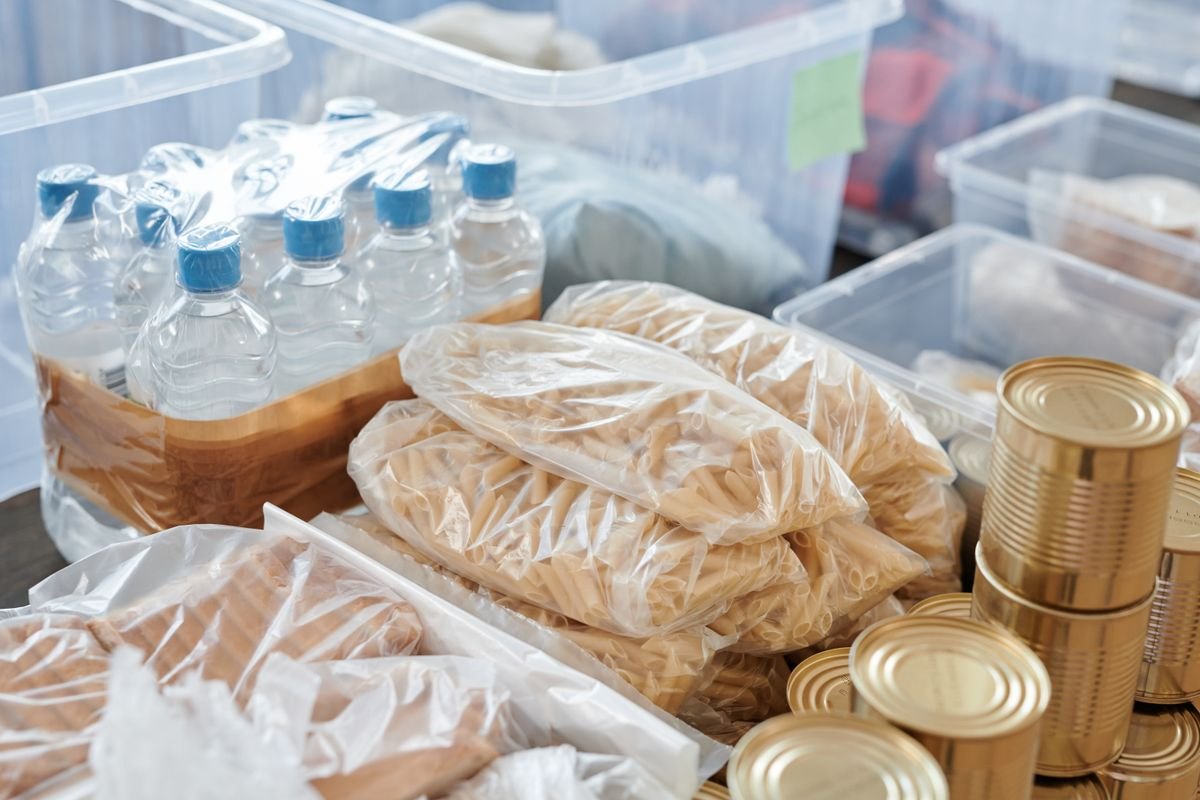
Build a measured water reserve in several manageable places without crowding exits or overloading shelves.
Weather & home
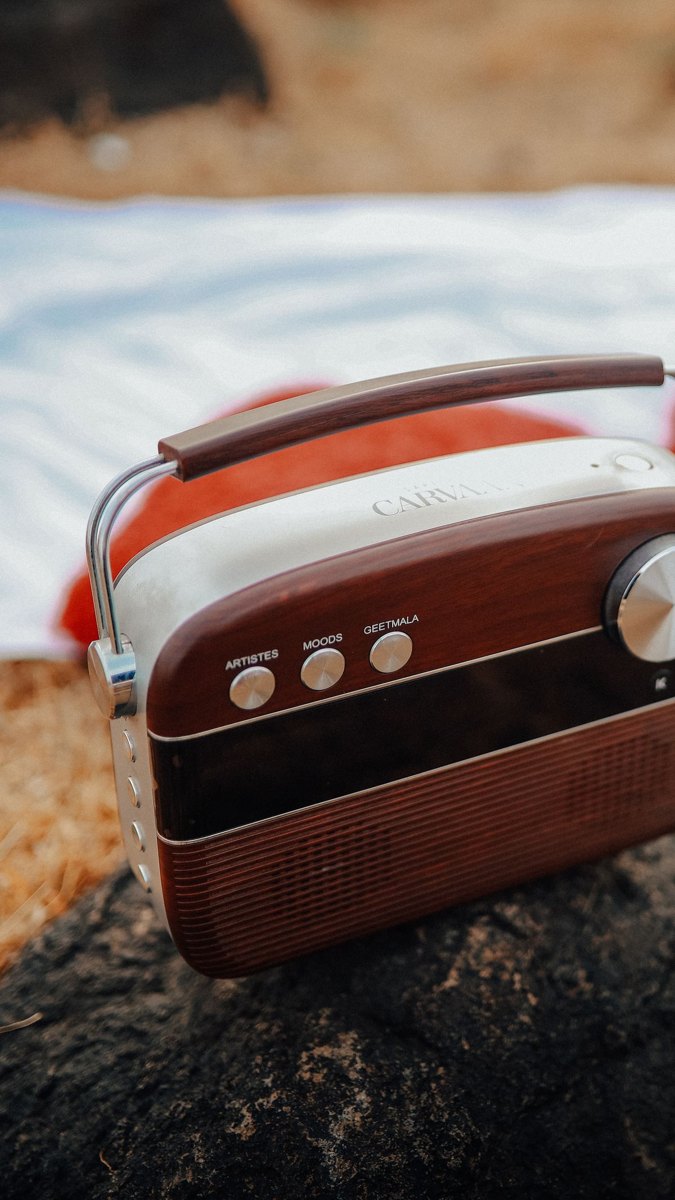
Set up several reliable ways to receive local instructions before the forecast becomes urgent.
Camp & trail
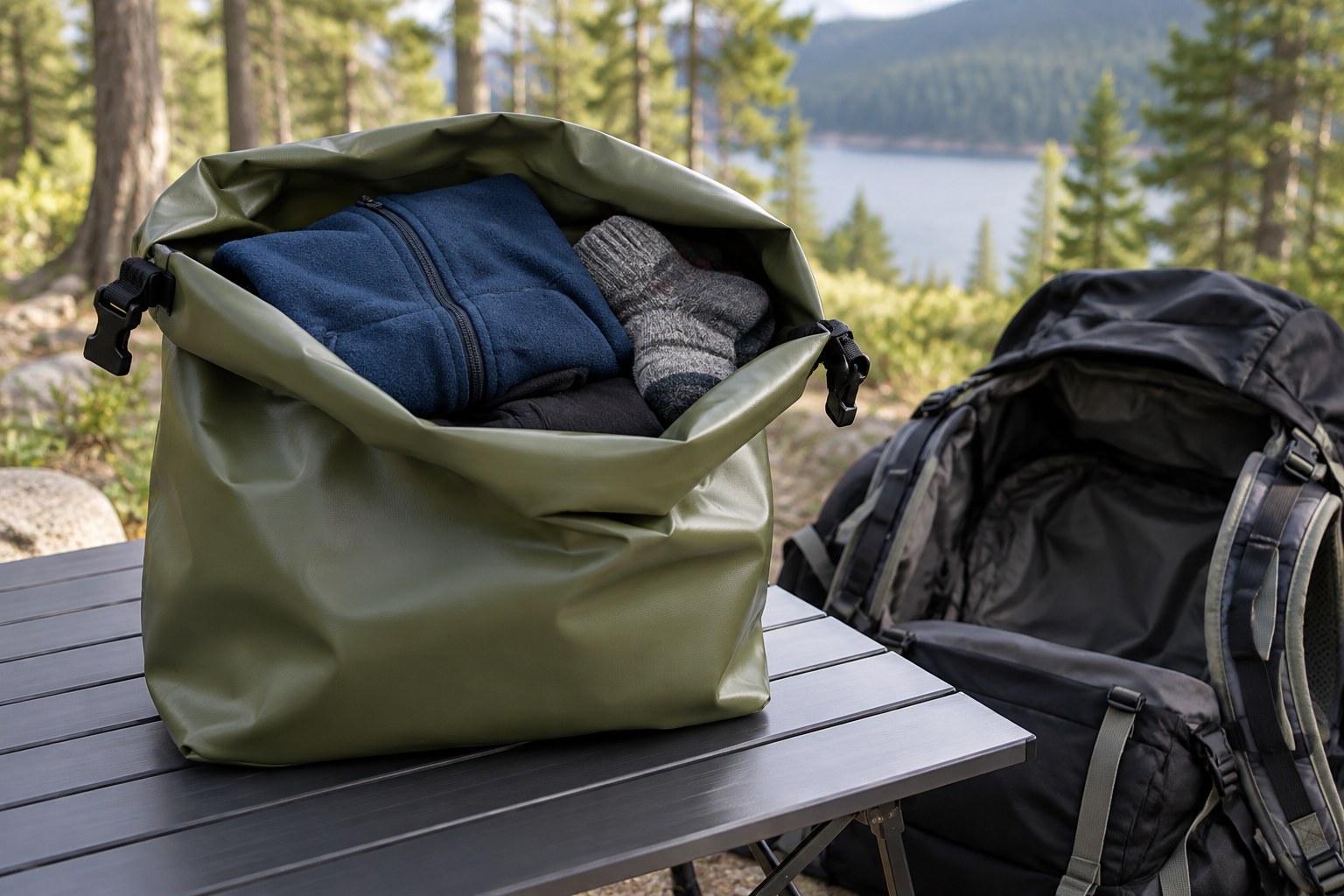
Protect the clothes you are saving for later with a separate dry layer inside the pack, then keep wet gear away from them.
Carry & travel
Build a vehicle kit around the route, passengers and weather, and keep it separate from maintenance that the car still needs.
Everyday skills
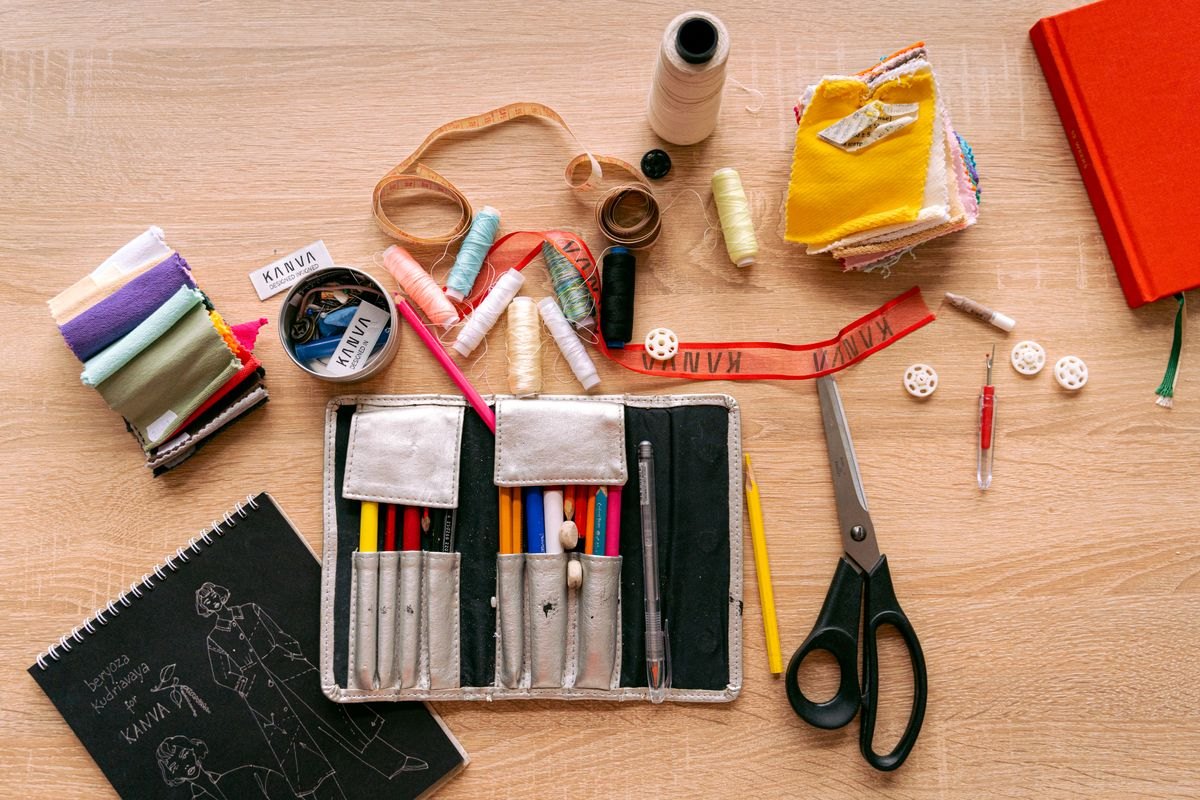
Choose a few usable tools for buttons and loose stitching, then practice on spare fabric.
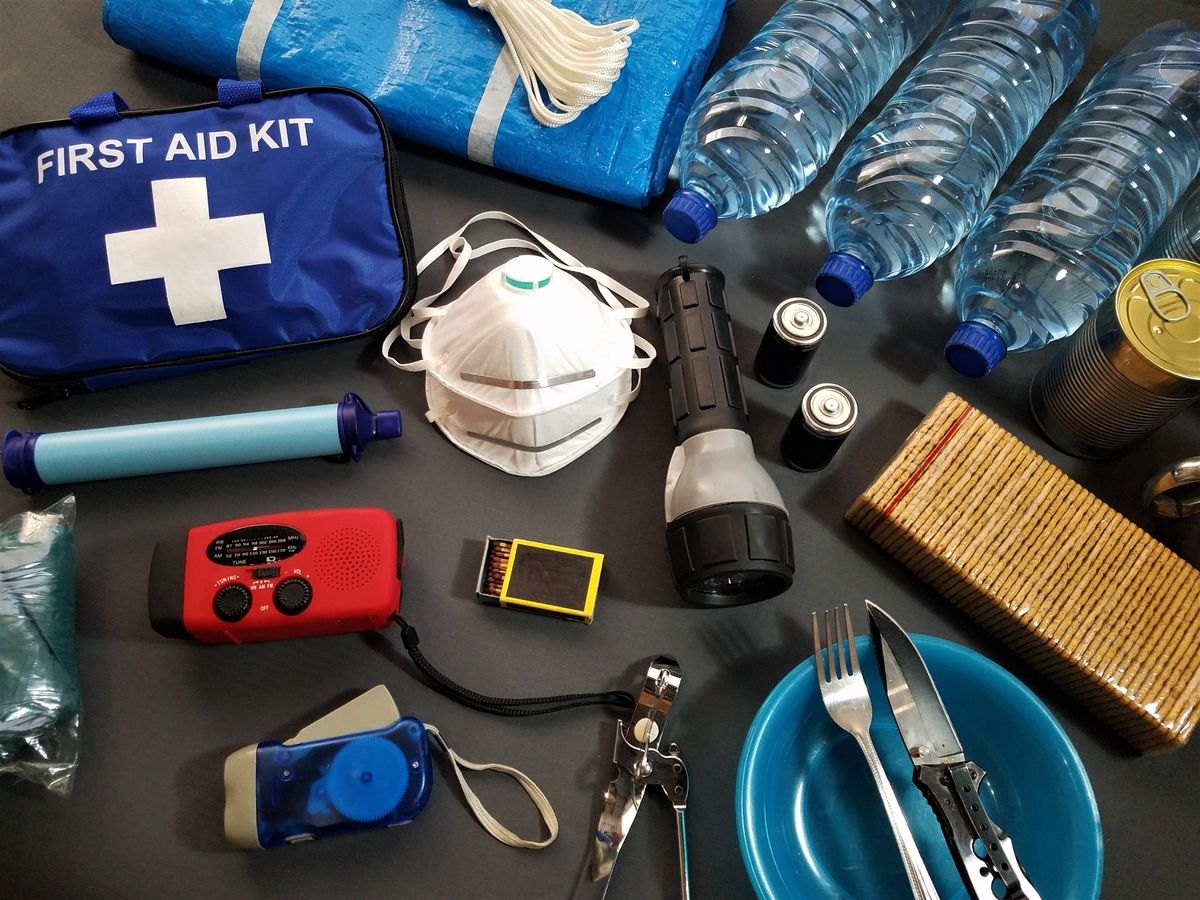
Preparation starts with what you already have, where you live and the people who rely on you.
About Think Prepper →