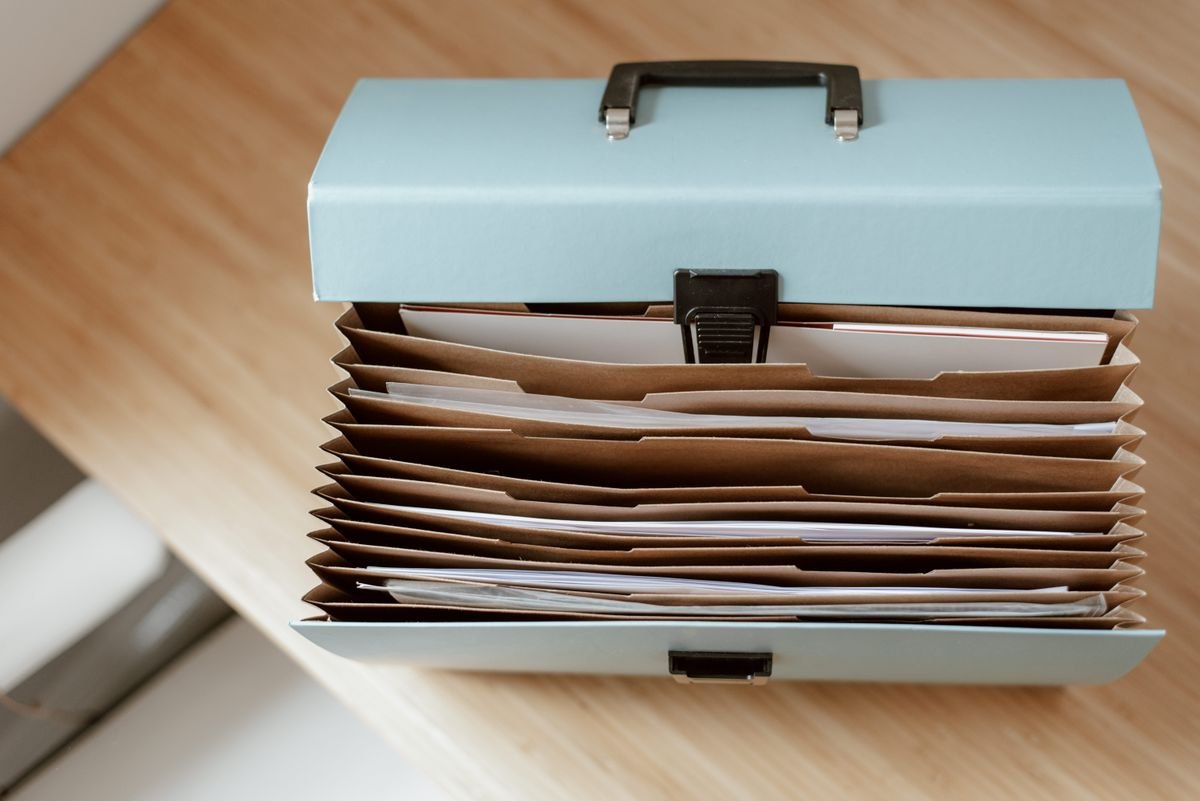
A departure folder should be small enough to take and organized enough to use. Emptying the entire filing cabinet into a bag creates weight, exposes sensitive records and makes the useful pages harder to find. Begin with the tasks you might face away from home rather than with the size of your existing paper collection.
Think about identifying household members, contacting an insurer, continuing medical care and reaching a landlord or lender. These needs differ between households. A renter does not need a property deed simply because a generic checklist includes one.
Separate contact details from full records
Put a short reference sheet at the front with essential organizations, phone numbers and relevant policy or reference numbers. Follow it with the copies needed to support those calls. FEMA’s Emergency Financial First Aid Kit is a useful prompt for finding categories you might otherwise miss, but you can select the categories that apply.
Check whether a copy is sufficient for the task. Some identification and legal processes require an original or certified document. Decide where those originals belong in advance; do not assume a phone photograph always replaces them. Keep the folder’s purpose clear: it supports access and recovery, not every administrative transaction you may ever need.
Keep a separate backup
A folder can be lost in the same event as the home. Maintain a protected copy somewhere independent, such as secure online storage or another location you trust. Use appropriate account security and confirm that you can access the files without a device that will be left behind.
For offline digital copies, consider how you would open them. An encrypted drive is useful only if the necessary device and access method are available. Do not tape its password to the outside. Avoid creating unprotected collections of identity documents on several forgotten devices simply to increase the number of backups.
Give the folder a quick retrieval order
Use a few plain dividers rather than a complicated filing system. Identification, care, housing and insurance may be enough. Put each household member’s papers in a predictable place. A second adult should be able to locate a requested item without knowing the filing habits of the person who assembled it.
Add a dated contents sheet. When a policy renews or a phone number changes, replace the obsolete page instead of stacking the new version on top. A quick review after major life changes keeps the folder manageable.
Store it securely in a location that suits the household’s evacuation plan. Do not let document retrieval delay leaving immediate danger. The independent backup exists partly because there may be no safe opportunity to collect the folder.