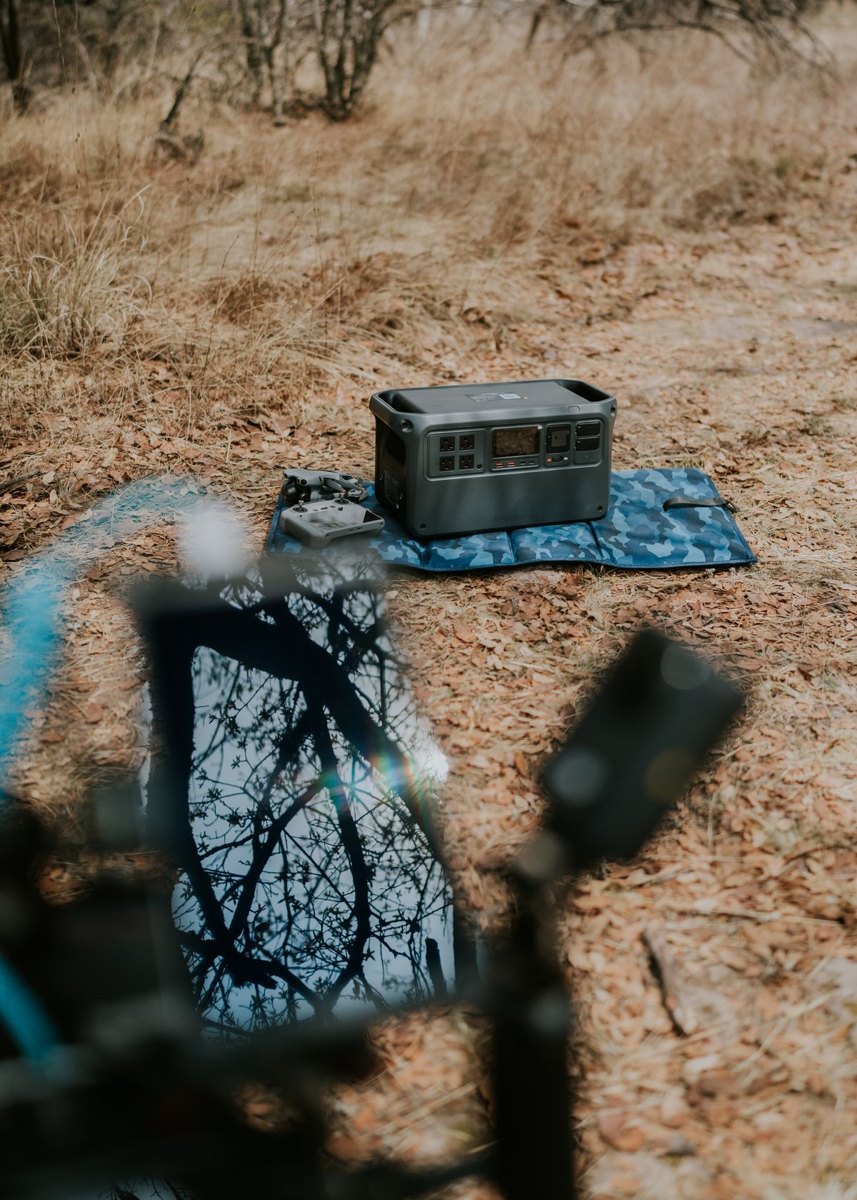
An open patch of patio at noon can be shaded by late afternoon. A balcony rail can cast a narrow shadow across a panel even while the sky is clear. These details matter when portable solar charging is part of an outage plan: the equipment has to work in the space available to you.
Before buying, observe the proposed position at several times of day. Note trees, neighboring buildings, railings, and the distance to a sheltered place for the battery. You are looking for a usable setup that can be reached safely, not the last sunny patch on a roof or ledge.
Translate sunlight into a daily routine
Solar panel ratings describe specified test conditions, not an all-day output promise. Goal Zero notes that panel output depends on favorable sun, orientation, and other conditions. Real charging also changes as clouds pass and shadows move. A battery that reaches full charge on a clear summer day may not do so during a short overcast winter day.
Check the panel instructions for orientation and supports. If it has a stand, make sure the chosen surface can hold it without slipping or blocking an exit. Plan whether someone can reposition it during the day. A setup that needs constant attention may be unsuitable when the household is also dealing with weather, children, or travel.
Keep the power station within its own environmental limits. A panel designed for outdoor use does not make the attached battery or connectors weatherproof. Follow both manuals. Do not place electronics in direct heat simply to shorten the cable, and do not extend leads with unknown adapters.
Test where you will actually use it
Once you have a compatible panel and station, try them at the intended location in ordinary safe weather. Record the approximate time, conditions, and observed charging behavior. Repeat at a different time if shadows are an issue. This is a site check; one sunny test cannot prove performance in a storm.
Look for the mundane obstacles too. Can a door still close normally? Does a pet walk through the cable? Must someone step over the panel to leave? Solve these problems before relying on the arrangement. Bringing equipment indoors when conditions become unsafe is more important than chasing the remaining charge.
Retain a cloudy-day plan
Solar can replenish stored energy, but it should not be your only answer to an immediate need. Start with a charged battery and decide which loads can wait when charging is poor. Keep a route to another safe location if essential needs cannot be met.
The best panel for a household is not necessarily the largest one. It is a compatible panel that fits the usable area, can be handled safely, and adds enough energy under realistic conditions to justify storing and setting it up.