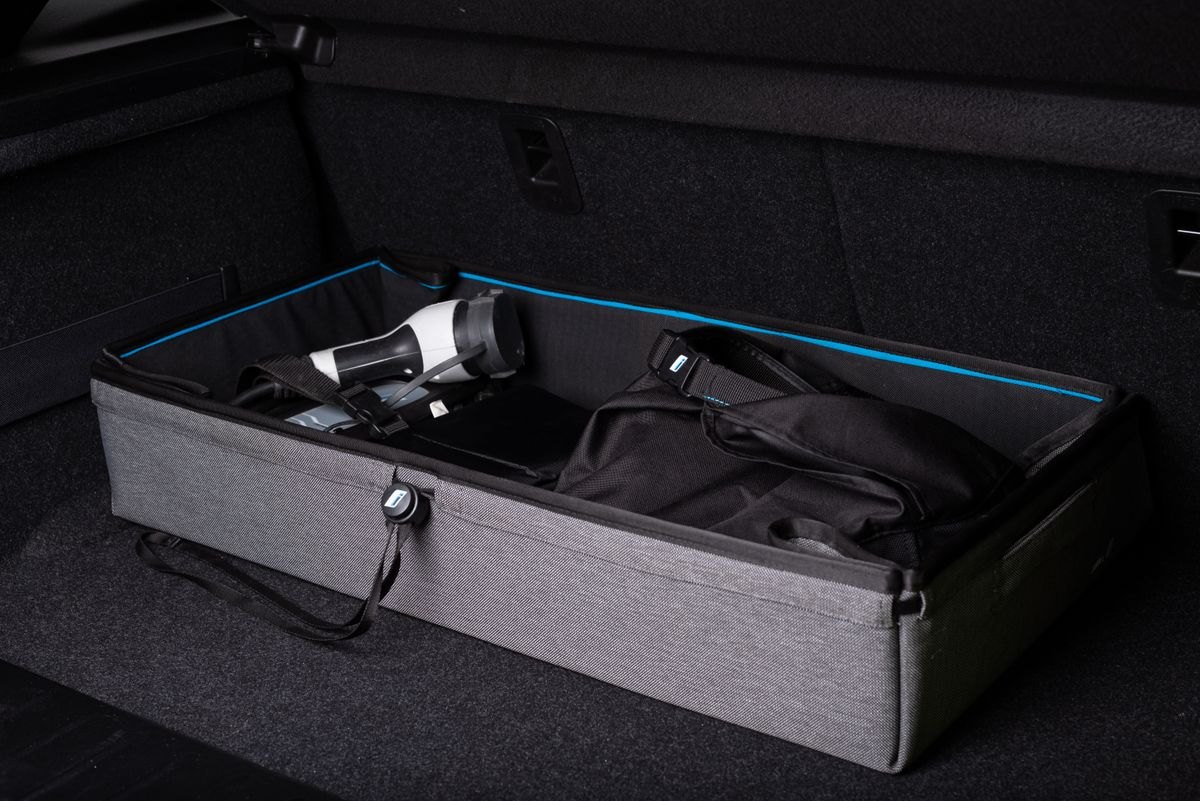
Open the vehicle kit before the first long journey of a new season. Take everything out far enough to see the container underneath. A damp blanket, crushed food package or loose battery may have been hidden since the last time someone borrowed a cable. Checking the kit is also a chance to remove unrelated belongings that have gradually filled its space.
Separate the review into three questions: what is still in good condition, what suits the next few months, and what should not be stored in the vehicle at all. That last group can include temperature-sensitive medicine, vulnerable batteries and supplies whose labels rule out the conditions inside a parked car. More equipment is not automatically better preparation.
Start with condition
Inspect packaging for leaks, swelling, damage or signs of contamination. Follow storage and replacement instructions rather than guessing from appearance alone. Replace drinking water and food as appropriate to their packaging and conditions. A seasonal date on the calendar is a reminder to inspect, not a guarantee that every product can tolerate months in the car.
Check a flashlight with its intended batteries and inspect the battery compartment. Review the charging and storage instructions for a jump starter if you carry one. Keep cords and clamps protected and secured. A vehicle kit should not contain loose objects that can move around the passenger compartment during sudden braking.
Look at the instructions for any tire repair product and confirm its limitations and replacement date. Some tire problems cannot be repaired with an inflator or sealant. Having the roadside-assistance number available is useful even when tools are present, especially where stopping to work would expose you to traffic.
Adjust for the trips ahead
Cold-weather layers, an ice scraper and a suitable blanket may matter more before winter travel. Hot-weather trips make shade, drinking water and avoiding heat exposure especially important. Keep the choice tied to the route and passengers, including children and pets, instead of assuming the same list works for every vehicle.
NHTSA's seasonal driving guidance also emphasizes the vehicle itself. Review tires, fluids and maintenance using the owner's manual and qualified help where needed. A well-stocked trunk cannot compensate for an unresolved mechanical problem or an unsafe tire.
Repack so the first items you might need are accessible without emptying luggage into traffic. Show another regular driver where the supplies and contact details are kept. Write down anything missing and deal with it before the next journey; a note left inside the kit will be easy to overlook again.
Finally, review after actual use as well as at a seasonal change. A borrowed blanket needs cleaning and returning, and a used battery needs attention. Keeping that small reset habit is more effective than rebuilding the entire kit once a year.