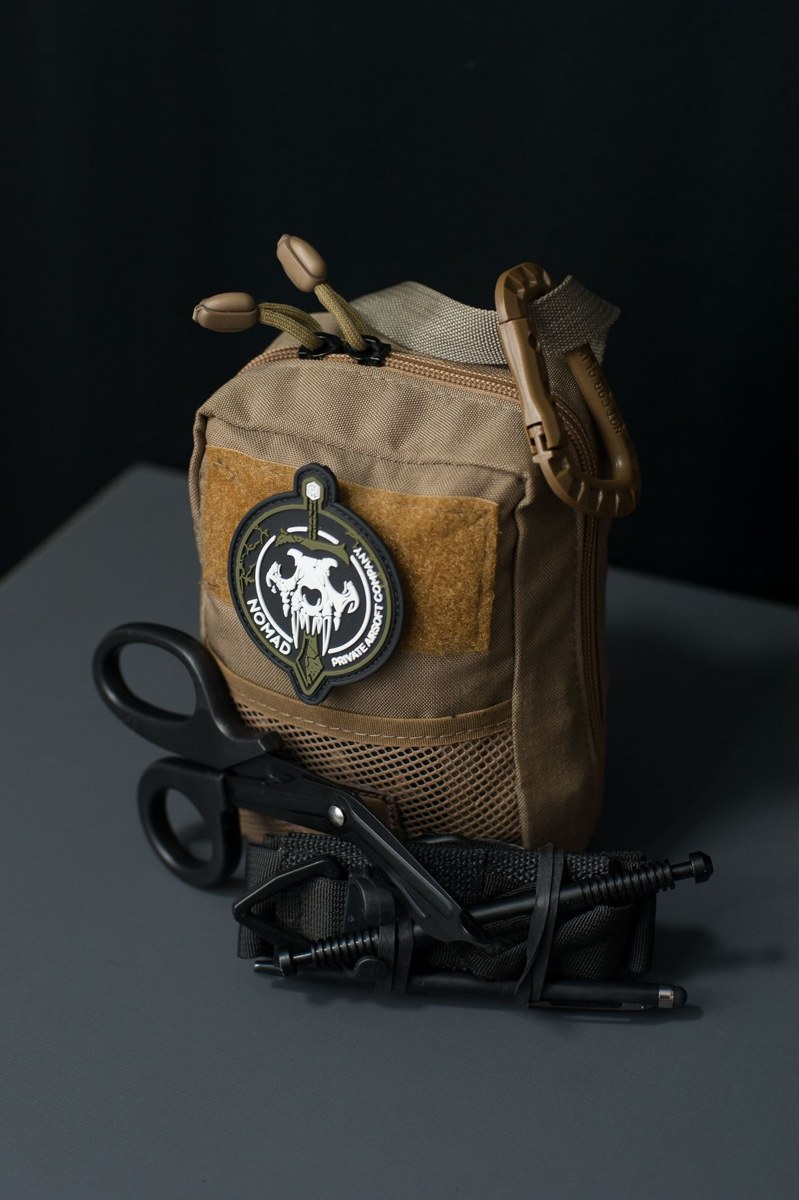
A late train, an office evacuation or a dead phone can make an ordinary day longer than expected. A workday pouch is a place for the few things that help with those interruptions. It is not meant to contain everything you own for emergencies, and it should not become so heavy that you leave it at home.
Start by emptying the bag you already carry. You may have a charging cable, tissues, a pen and a spare transit card scattered through several pockets. Gathering them into one place may solve more than buying a ready-made kit with tools you will never use.
Pack for the journey home
Think through your actual route. Someone who walks a mile to a rail station has different needs from someone whose office is next to a bus stop. A compact light helps with an unlit walkway; a transit contact number is useful when an app will not load. Write important numbers on a card rather than assuming you will remember them when your phone is flat.
Keep a charging cable that fits your current phone and, if you carry one, a tested power bank. A cable alone cannot charge a device when no outlet or charged battery is available. Put a small amount of cash where you can find it, without keeping large sums in a bag that is frequently unattended.
A familiar snack can make a delay easier, but check its packaging and replace it before it becomes crushed or stale. Water is usually better carried in the main bag where a leaking bottle will not soak papers and electronics. If you need medication during the working day, make an individual storage and access plan with your pharmacist; a hot car or desk drawer may not be a suitable place for it.
Keep the pouch easy to search
Choose a shape that opens enough to show its contents. A bright lining can be more useful than extra external loops. Separate objects that can scratch a screen, and protect battery terminals according to the manufacturer's guidance. Avoid adding sharp tools simply because a kit description calls them essential; workplace rules, transit rules and the task itself all matter.
Try retrieving the light and contact card with the bag resting on your lap. If you have to empty every pocket, simplify the arrangement. The items you may need immediately belong near the opening.
After a real delay, note what you used and what was missing. Replace consumed items before putting the pouch back. A short review when you change jobs, phones or commuting routes keeps the kit connected to your life instead of to someone else's shopping list.