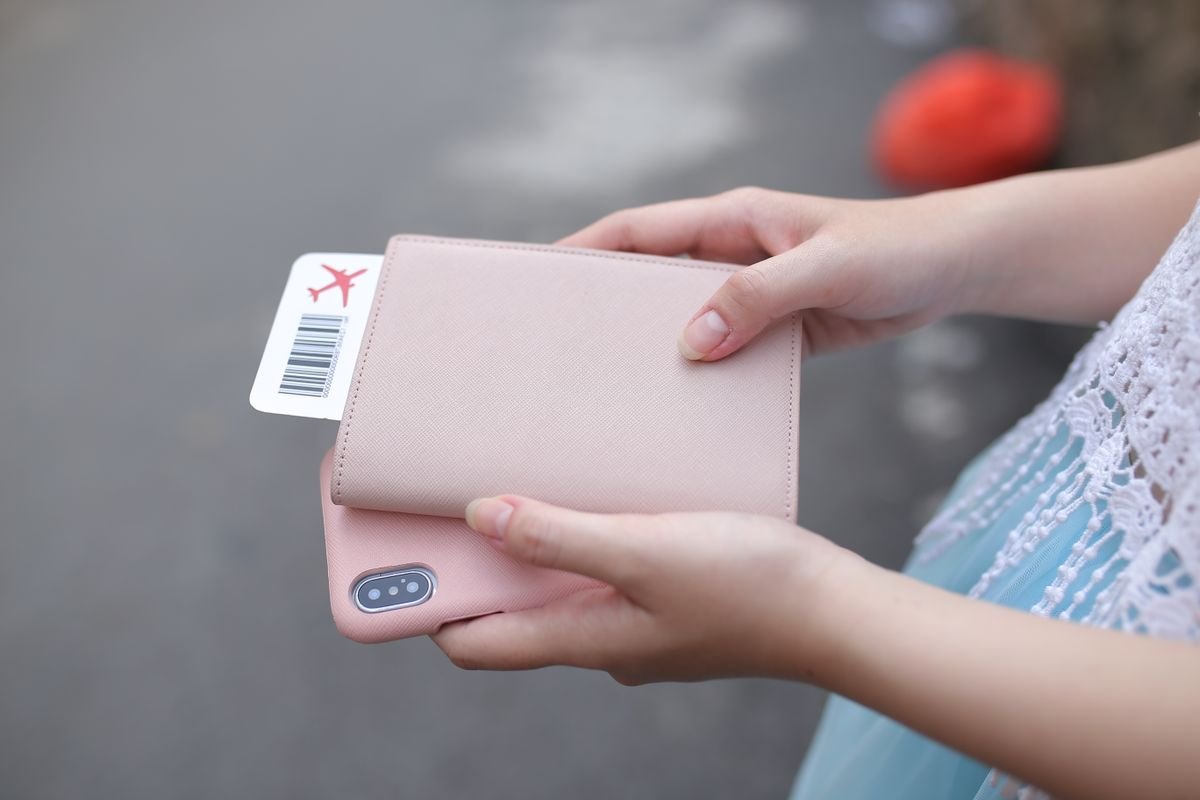
A travel wallet can hold tickets and identification while still missing the information you need to use a borrowed phone. A short paper contact list fills that gap. It is especially helpful when a device is lost, damaged or waiting for a charger.
Choose the contacts for the journey rather than printing an entire address book. A household contact, accommodation address, transport provider and relevant assistance number may be enough. For international travel, confirm the destination's emergency arrangements and keep the appropriate official consular information available.
Write for someone unfamiliar with the plan
Use complete numbers, including country and area codes where appropriate. Label each entry by purpose. A hotel name without its street address can be ambiguous, particularly when a chain has several properties in one city. Add a booking reference only if it is useful and does not expose more information than necessary.
Avoid storing passwords, payment-card security codes or account recovery secrets on the list. A wallet is easy to misplace. Keep the card focused on contact and destination information, and protect sensitive document copies separately according to your travel needs.
Print in a size you can read in ordinary light. Fold the sheet if necessary rather than shrinking it until it is difficult to use. A simple sleeve may help it survive a damp bag, but it should not turn the list into something that takes several minutes to retrieve.
Check it before leaving
Confirm that the numbers and addresses are current. Ask the main household contact to expect a message if plans change. If your trip has several stops, arrange the details in the order you will need them and clearly identify which date belongs to which location.
Keep a separate copy with a trusted person when appropriate, especially for a longer itinerary. That copy should be updated if you change the route or accommodation. A photograph of the card on the same phone is convenient but is not a separate backup for losing that phone.
After the trip, remove information you no longer need. Keep the reusable layout, then refresh the contents for the next journey. A small, checked list is easier to rely on than a thick collection of old reservation printouts.