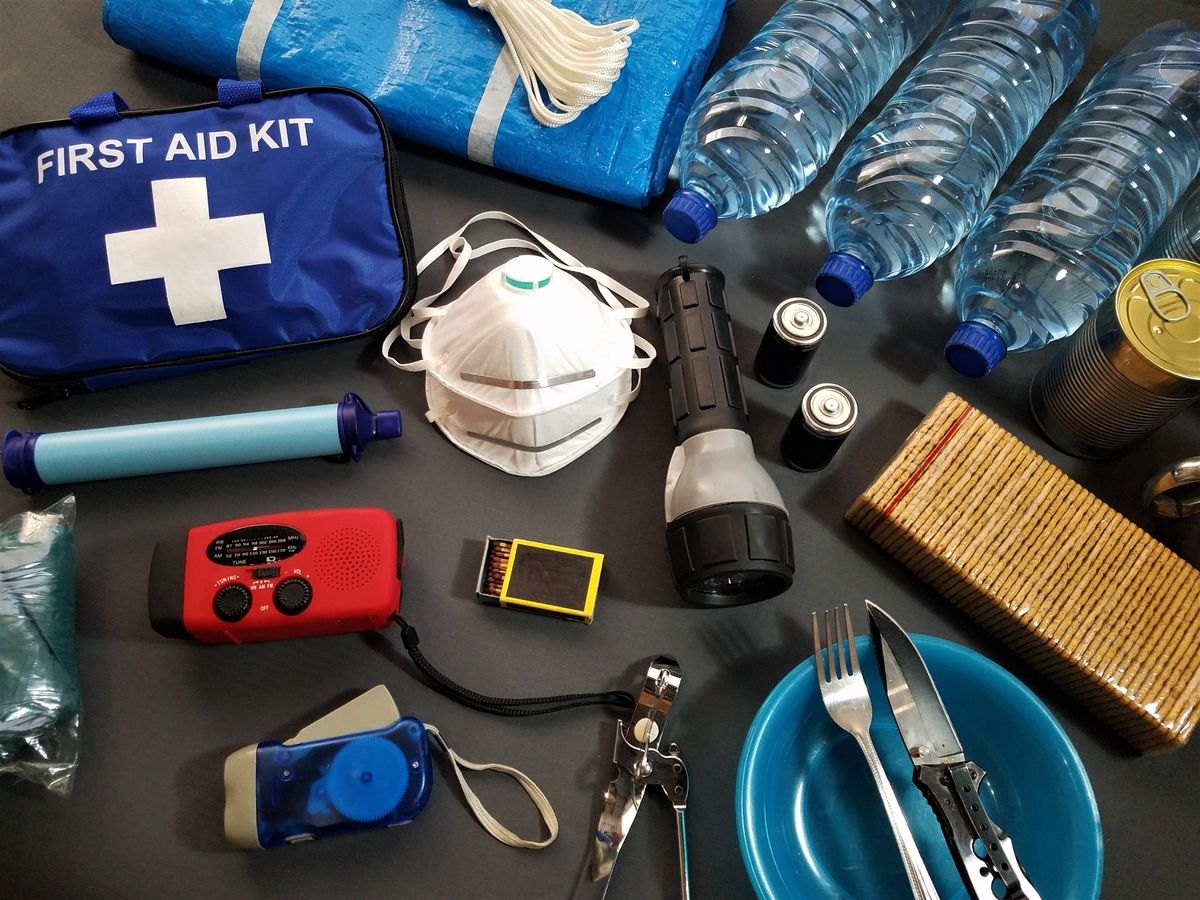
A vehicle kit cannot repair neglected brakes, make unsuitable tires appropriate or turn a closed road into a safe route. Its job is more modest: make a delay easier to manage and keep useful information and supplies accessible while you arrange help.
Start with the vehicle's condition and the planned journey. Read the owner's manual, address maintenance issues and check current road and weather information. Then choose the supplies that fit the people riding with you and the places you will travel.
Match the contents to the season
Cold-weather journeys may call for warm clothing, blankets, gloves and an ice scraper. In warm weather, think about drinking water, sun exposure and the limits of leaving supplies in a hot vehicle. Food, medication, batteries and other items can have storage requirements that a parked car does not meet.
Keep a phone charging arrangement that works with your vehicle and device. Add a flashlight you have tested, basic first-aid supplies you know how to use and the roadside-assistance information you may need. A paper copy of key numbers can help if the phone containing an app is not available.
Consider children, pets and passengers with individual needs. A kit chosen for one adult may miss a child's spare layer or the information needed to contact a caregiver. Avoid packing supplies that require training you do not have just because a commercial bundle includes them.
Make access part of the plan
Put frequently needed items where an adult passenger can reach them safely while the vehicle is parked. Keep heavier objects secured so they cannot move freely during a sudden stop. Do not block exits or create loose equipment around pedals, seat belts or child restraints.
If the kit lives beneath luggage, decide which essentials belong in a separate accessible pouch. Retrieving a flashlight should not require unloading the entire trunk beside moving traffic. Use safe stopping locations and follow local emergency guidance if a breakdown occurs; the presence of tools does not make roadside repair appropriate.
At the start of each season, empty the kit and inspect it. Replace used or damaged supplies, verify battery condition and remove items whose storage limits cannot be met. Record what remains in the vehicle and what must be added just before travel. That distinction prevents a neat-looking kit from becoming a forgotten box of expired or unusable items.