An unexpected overnight stay often comes with very little drama: a canceled service, an extended visit or a road closure that makes the drive home impractical. The useful bag is the one that lets you wash, sleep and start the following morning without hunting for everything separately.
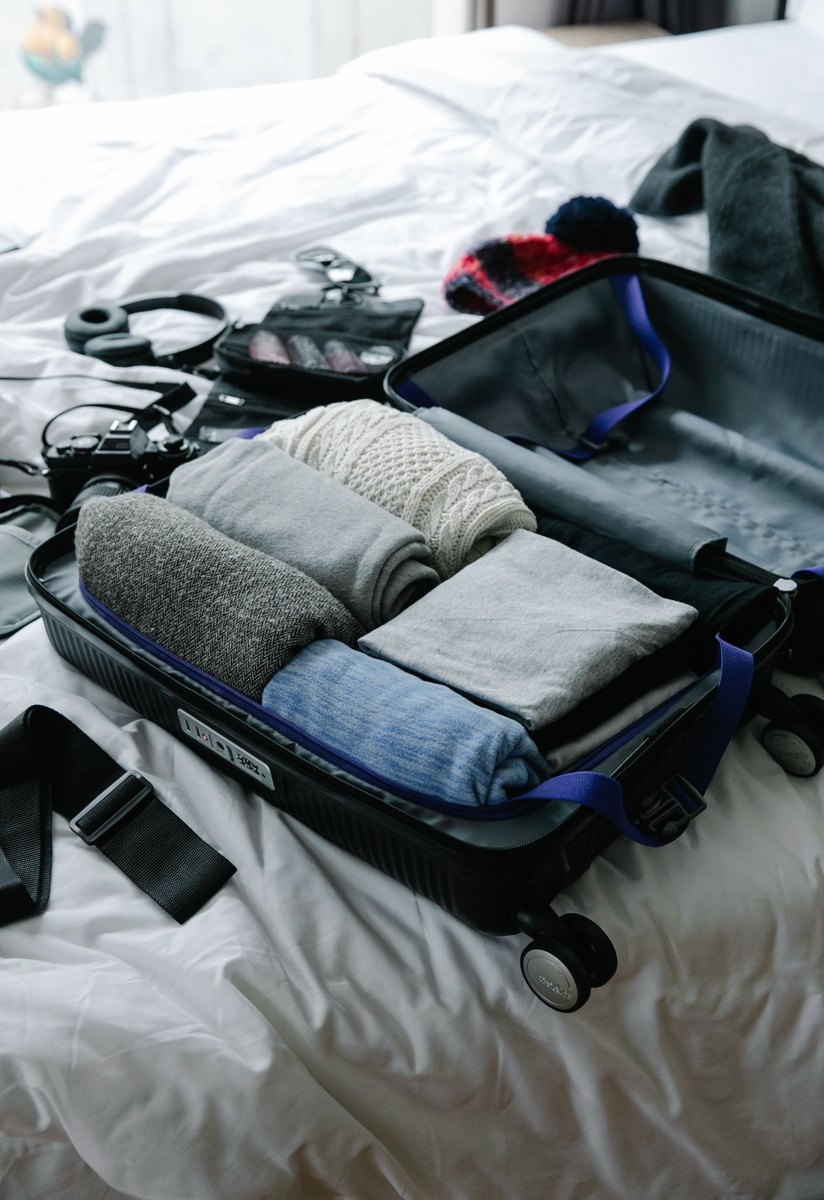
Use a small bag you can carry comfortably alongside your normal belongings. Lay out one change of underwear and socks, a shirt, sleepwear suited to where you might stay, and the toiletries you actually use. A full-size bottle of every bathroom product can turn an overnight bag into heavy luggage. Secure liquids and keep them away from papers and electronics.
For the first version, pack from what you already own. A bag of unfamiliar travel products can hide awkward caps, missing charging cables and toiletries you dislike. Try using the contents during a normal evening at home. You will quickly notice whether the charger fits and whether you remembered a toothbrush.
Keep personal needs separate from generic lists
Prescription medicines, contact lenses, mobility aids and medical equipment need individual planning. Ask the appropriate professional about storage, supplies and travel arrangements when relevant. Do not leave temperature-sensitive items permanently in a vehicle because the rest of the bag lives there. Some essentials should be added at departure from their normal storage place.
Write a short last-minute list for those items. Attach it inside the bag, where you will see it while closing the zipper. This is more reliable than assuming a permanently packed bag can contain everything in every season. Include identification and a way to pay, but keep sensitive documents under your control rather than in an unattended spare bag.
Pack a phone cable, and check that the plug or power bank you intend to use is present too. A familiar pair of comfortable shoes may matter more than another outfit if your normal footwear is unsuitable for walking to accommodation. Choose according to the trip, not an imagined requirement to cover every possible event.
Reset the bag after it is used
Put worn clothing and leaking containers aside as soon as you get home. Refill consumables, charge equipment according to its instructions and replace anything borrowed from the bag. Otherwise the next overnight stay begins with a collection of empty pockets.
Keep the bag in a dry, accessible place. Revisit clothing sizes and seasonal layers occasionally, especially for children. An overnight bag is a convenience for a brief disruption; it is not a substitute for an evacuation plan, a medical plan or checking whether your intended destination is available. Its best feature is how little attention it requires once the contents match your actual routine.