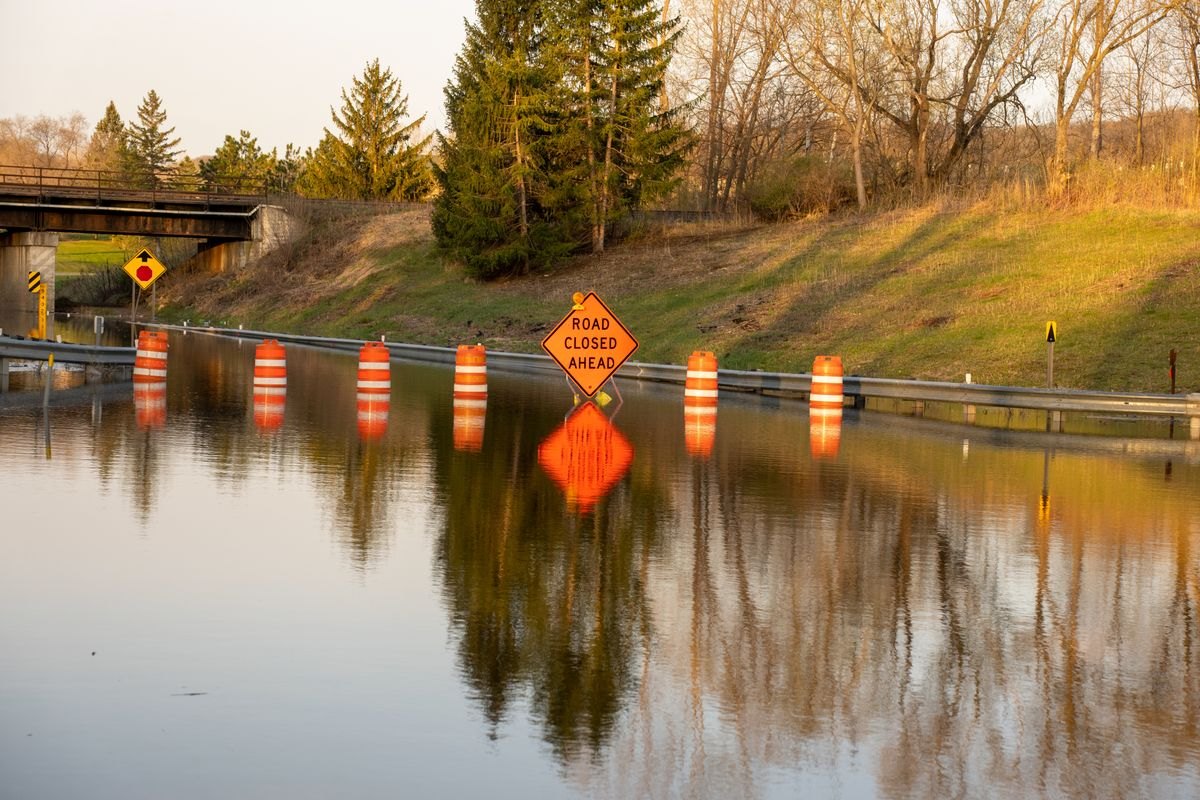
A road you use every day can become impassable well before water reaches the house. Flood planning therefore needs to consider the journey as well as the property. Identify low crossings, rivers and roads that local authorities regularly close, then ask what alternatives exist.
Use official evacuation information and local emergency management guidance. If instructed to leave, follow the direction promptly. A familiar shortcut can lead into the same hazard the designated route is intended to avoid.
Separate the decision to leave from packing
Keep departure essentials ready enough that packing does not become a reason to delay. Arrange help in advance for anyone needing transport or extra time. Consider pets and mobility equipment while conditions are calm, rather than discovering at the door that the vehicle cannot carry them.
Write down the sources you will monitor and the actions your household will take when local instructions change. Do not create a private water-level threshold that competes with an evacuation order. Water can rise quickly, and conditions upstream may matter even when it is not raining at your house.
Treat a flooded road as closed
National Weather Service guidance is clear: do not drive or walk into floodwater and do not go around barriers. You cannot reliably judge the depth, current or road condition beneath the surface. A larger vehicle does not remove those uncertainties.
If the planned route is blocked, turn around safely and follow official alternatives. Do not let a navigation app persuade you past a closure. It may lack current information about a washed-out crossing or emergency restriction.
Know how to get information without driving around
Save local road-status and emergency contacts, and retain a battery-powered information source. Ask about transport assistance before a forecast event if you do not drive. Registration or a request for help should not be mistaken for a confirmed pickup; clarify the process.
If rising water traps you or creates immediate danger, contact emergency services and follow their directions. Do not enter floodwater to investigate a possible escape route. Property photographs, supplies and vehicles can wait. The preparation work is intended to give you more time to move safely, not to make a risky last-minute crossing seem manageable.