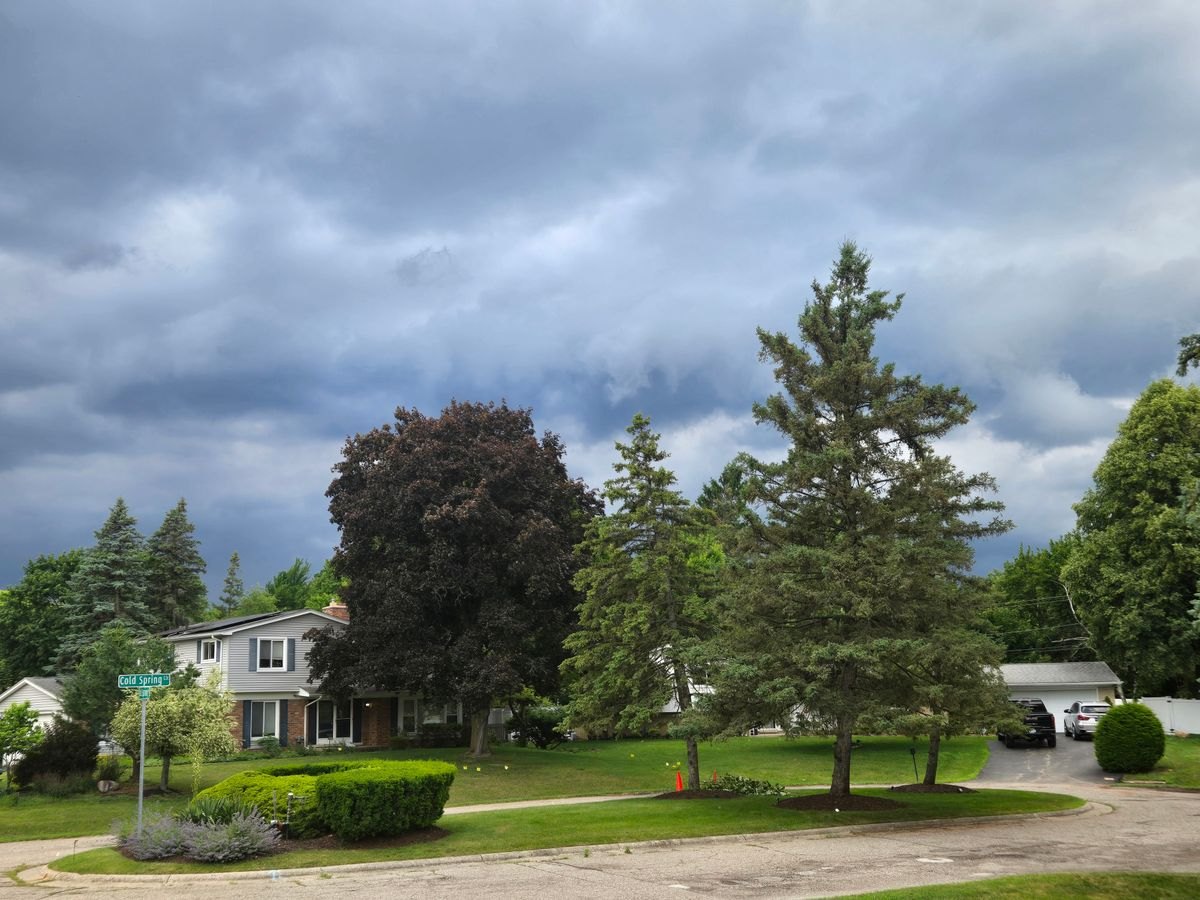
A weather watch and a warning are different stages of information, but neither should be read in isolation. The hazard, affected area and instructions matter as much as the label. A tornado warning calls for a different response from a heat warning, even though both use the word “warning.”
In broad terms, a watch means conditions are favorable for the stated hazard and you should prepare. A warning means the hazard is occurring or imminent and protective action is needed. Read the official definition and message for the specific hazard; exact criteria and terminology vary.
Use a watch to remove delays
Check how you will receive updates, where you would shelter or travel, and who may need assistance. Finish appropriate preparations while conditions are still safe. If the plan depends on gathering pets or reaching a stronger building, a watch is a reason to reassess timing rather than wait until the last possible moment.
Do not assume a warning must be preceded by a watch. Rapidly developing conditions can require immediate action. A household that waits for every stage to arrive in a familiar order may miss the important message.
Read more than the colored map
Look for the locations named, the time the message was issued, its expiration and any updates. County boundaries, forecast zones and warning areas can be different. If your location is uncertain, consult the official text and map without delaying safety actions.
An expired message is not proof that every road or building is safe. Water, downed lines or storm damage can remain after the weather alert ends. Follow local authorities’ instructions about closures and return access separately.
Agree on the household response
For the hazards relevant to your area, write a short action beside each alert type. This might mean moving to the designated tornado shelter or changing plans to spend a dangerously hot afternoon in air conditioning. Keep the actions specific enough to remember.
During a quiet period, read an official example with the household and identify what it asks people to do. Avoid memorizing technical thresholds at the expense of the instruction itself. The goal is to recognize when preparation needs to become action, including when the first message you receive is already urgent.