Knowing where water, electricity and gas controls are located is useful. Treating every control as something to turn during any emergency is not. Different hazards call for different actions, and some systems should only be handled by the utility or a qualified professional.
Use a calm period to ask the landlord, building manager or relevant service provider to identify the controls for your home. In a shared building, confirm which equipment serves your unit and which serves everyone. Do not guess from an old handwritten label.
Make a location record
Write down where each control is, how it is accessed and whom to call. A photograph from a safe position can help another household member recognize it. Keep the access route clear and ensure any needed key is available to the appropriate person.
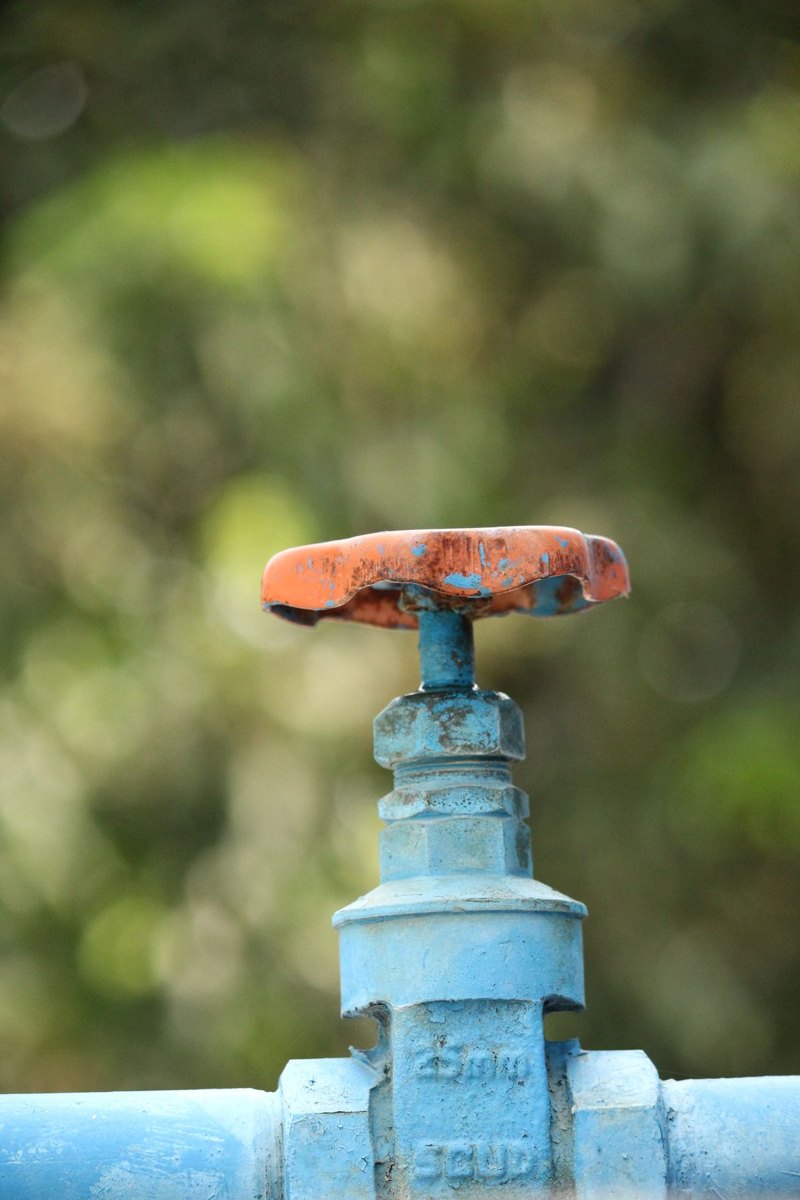
Distinguish the home’s main water shutoff from fixture valves and utility-owned street equipment. Ask a plumber how your specific valve operates and whether its condition needs attention. Do not force a corroded valve or attempt to repair it during a leak. If you rent, clarify which actions the landlord expects you to take and the emergency contact process.
Put electrical hazards ahead of property protection
Know where the panel is without removing covers or touching internal parts. Have unclear circuit labels corrected by someone qualified. Safe access is essential: CDC says not to enter standing water to reach a main switch or operate electrical equipment while standing in water.
If water, damaged wiring or other hazards make the panel unsafe to approach, stay away and call for qualified help. Restoring power after equipment has been wet may require an electrician’s inspection. Dry-looking surfaces do not by themselves prove the system is safe.
Do not use a practice session to disconnect essential medical equipment, refrigeration or other critical loads. A conversation and a visual location check are often enough to reveal what information is missing.
Treat suspected gas leaks as an evacuation problem
If you smell gas or suspect a leak, leave the area and contact emergency services and the gas utility from a safe place. Do not operate switches, use a light to investigate or stay inside searching for the source. Follow the utility’s instructions about shutoff; do not delay leaving to complete a household checklist.
Ask the utility in advance under what circumstances you should shut off gas and who may restore it. Do not turn gas back on yourself after an emergency shutoff unless the utility explicitly instructs and authorizes it. Restoration may require checks and relighting by qualified personnel.
Keep instructions specific to this home
A short card naming locations, contacts and limits is more useful than a generic diagram of a different installation. Review it after building work, a move or equipment replacement. The point of learning the controls is to reduce uncertainty and make safer decisions, including recognizing when the right action is to leave the equipment alone.