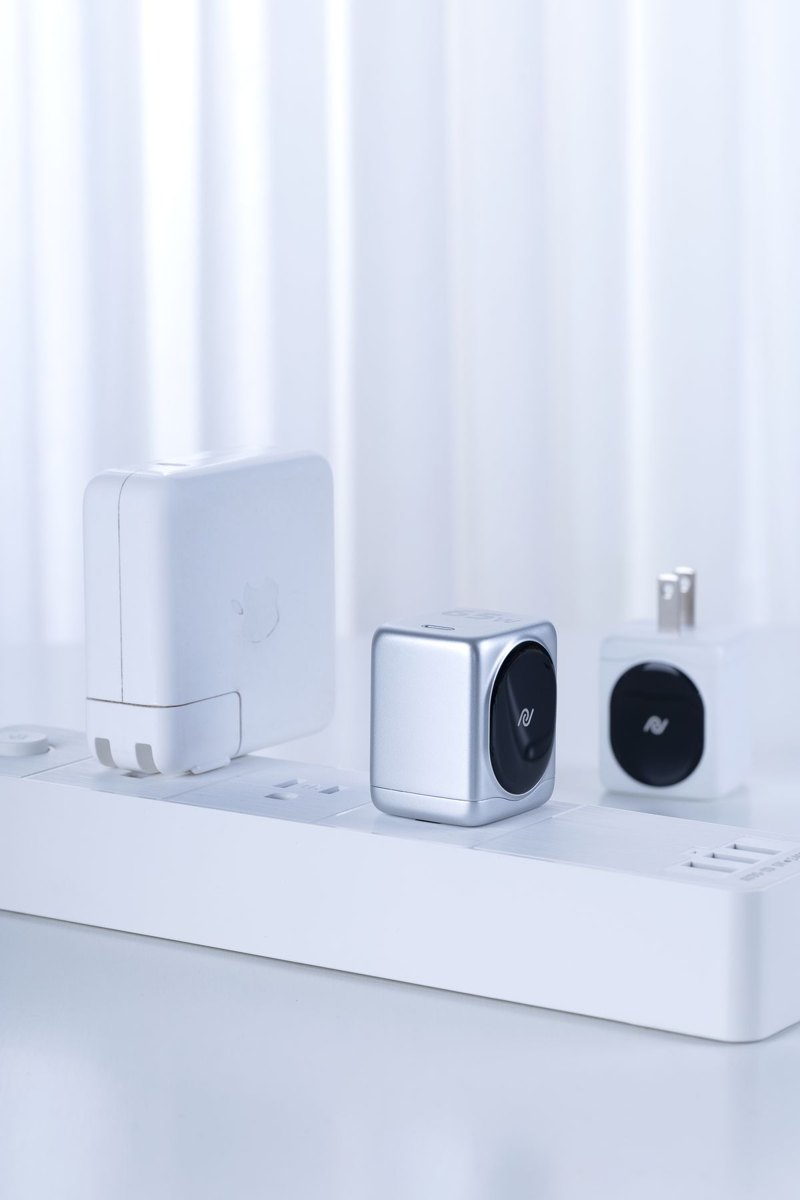
A row of outlets is easy to mistake for a row of protections. Some power strips distribute power without providing surge protection. A surge protector addresses brief voltage spikes, while a battery backup addresses loss of power. Those functions may share one enclosure, but you need to check each one separately.
Look at the product label and instructions rather than the number of sockets or the presence of a switch. The Electrical Safety Foundation distinguishes surge protective devices from ordinary power strips. A switch that lights up can simply mean the strip has power; it may not indicate that surge protection remains active.
Learn the indicators on your model
Some protectors have a separate protection-status light. Find out what it means and what the manufacturer says to do when it changes or goes out. Do not assume a device remains protective because connected equipment still runs. Keep the model number so the instructions can be found after the packaging is gone.
Check the total permitted load and the equipment types allowed. A surge protector does not increase a wall circuit's capacity, and adding another strip does not create more available power. Do not daisy-chain strips or plug in equipment the manufacturer excludes. A large heating appliance deserves its specified connection rather than a convenient spare socket.
Match the protection to the problem
If you want time to save a document during an outage, look at a suitable UPS and its runtime. If the concern is a damaged outlet, loose plug, or repeatedly tripping breaker, ask a qualified electrician to investigate. A surge protector is not a repair for a wiring fault.
Whole-home surge protection is a separate installation decision. Discuss it with an electrician who can evaluate the electrical system and applicable requirements. Do not open a service panel to fit an unfamiliar device yourself.
Place a plug-in protector where it can be inspected, within its instructions and away from water or pinching furniture. Keep its cord visible enough to notice damage without making a trip hazard. When rearranging the room, check what is actually plugged into it; a setup that began with a lamp and laptop can quietly acquire several other loads.
During outage planning, record the distinction in plain language: this unit provides surge protection, this one supplies battery power, and this one only adds outlets. That small label can prevent an expensive assumption when the room goes dark.