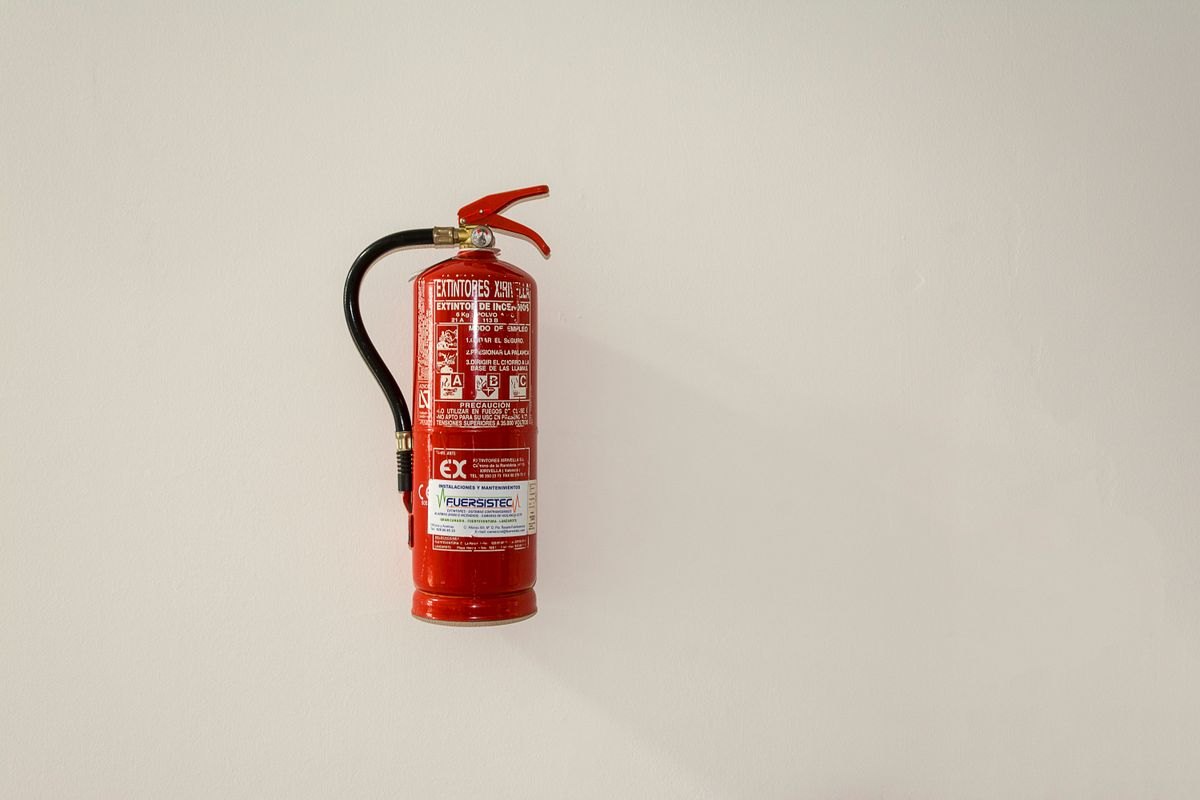
A fire extinguisher is useful only within a narrow situation that the user can recognize. Owning one does not make it safe to investigate a growing fire, enter smoke or delay escape. Before comparing products, learn the conditions under which the local fire service says an extinguisher may be used.
The US Fire Administration’s guidance includes a small, contained fire, a clear escape route, no danger from toxic smoke, and other people being alerted with emergency help called. If you are unsure, leave and call 911 from outside. Do not let the presence of equipment turn uncertainty into an obligation to fight the fire.
Choose for the actual location
Extinguishers have ratings for different fire types. Ask a qualified supplier or local fire service which rating suits the intended household location. Read the label rather than judging by cylinder color or size. Specialized hazards may require a different product and response.
Consider whether the person who may use it can lift and operate it. A larger unit can be difficult to handle, but buying a smaller unit purely for convenience may not provide the appropriate rating. Discuss both capacity and usability rather than choosing one in isolation.
Put access near a way out
Follow the mounting instructions and keep the extinguisher visible and reachable. Do not hide it behind supplies or place it where reaching it would require moving toward the likely fire. Consider how a clear escape route will be maintained while the person decides whether to act.
Learn the controls before an incident, preferably through appropriate hands-on training. Reading a label for the first time while a fire spreads is not a substitute for preparation. Training also helps people recognize situations where they should not attempt use.
Inspect what you own
Check accessibility, the pressure indicator where fitted, the pin or seal, and obvious damage according to the manual. Keep the service or replacement requirements with the household records. Different units have different maintenance needs; not all can be recharged.
After any use, follow the manufacturer’s directions for recharge or replacement. Do not return a partly discharged unit to its mount as though it is ready. If the unit is recalled or damaged, arrange the appropriate replacement and disposal.
Keep working smoke alarms and a practiced escape plan alongside the extinguisher decision. Those measures address the much broader need to detect a fire and get people out. The extinguisher is an additional tool for limited circumstances, not the center of the home’s fire plan.