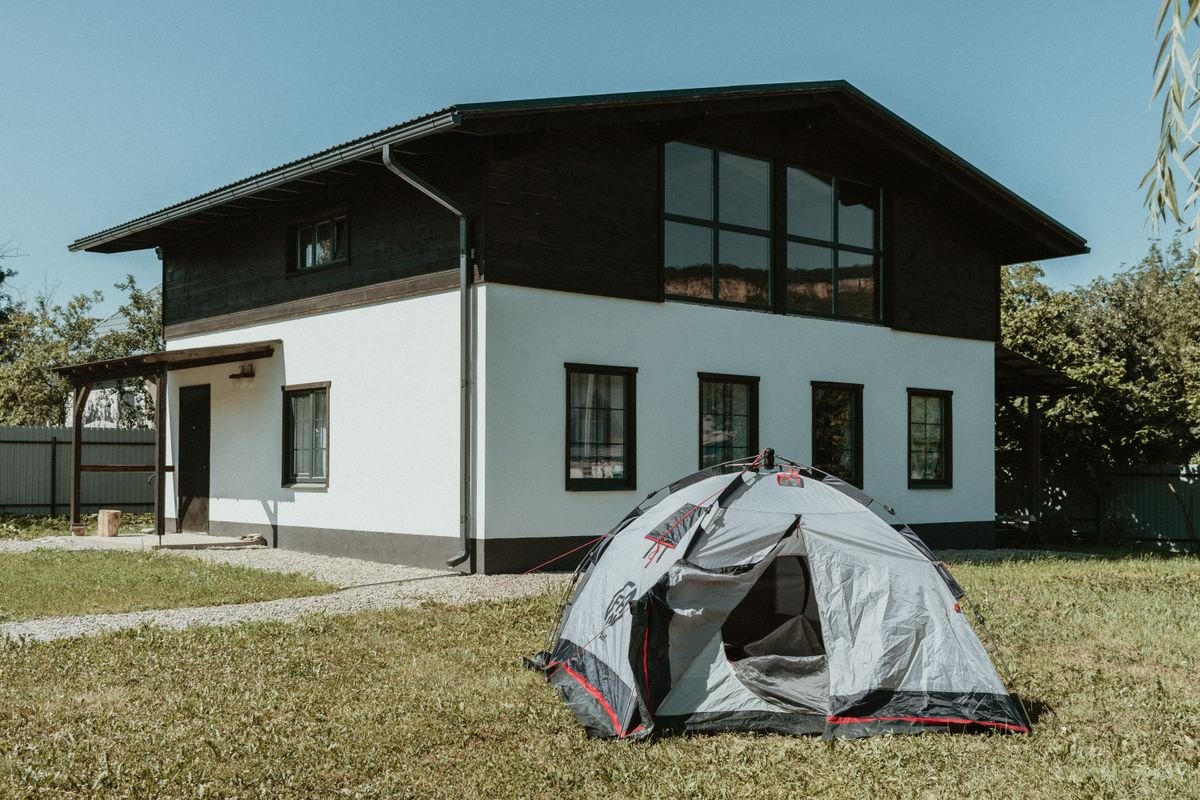
Opening a new shelter at a campsite is a poor time to discover that its poles are unfamiliar or its sleeping area is smaller than expected. A trial setup at home turns those questions into an ordinary afternoon task. Use a suitable outdoor space with permission, and choose calm conditions for the first attempt.
Read the full instructions before laying out the pieces. Identify the body, fly, poles, stakes and any footprint. Some shelters share similar-looking components that fit in only one position. Keep the instructions available until you can explain the sequence without guessing.
Make the trial resemble the trip
Pitch the shelter on an appropriate surface using the attachment points and tensioning method the manufacturer specifies. Do not force a pole that seems too long or bend a connector into place. Stop and check the orientation first. An improvised setup may look acceptable while placing stress on the wrong part.
Put the sleeping pads and bags inside. Nominal capacity does not tell you how comfortably a particular group and its equipment will fit. Check where a person's feet touch the walls and whether everyone can reach an exit without climbing over sharp or bulky items.
Work the doors, vents and guyline adjusters. Look at the space between the fly and inner tent and the way water would run off the fabric. A footprint should be arranged as directed; exposed edges can collect water instead of protecting the floor. Learn these details while the material is clean and the light is good.
Pack down as carefully as you set up
Count the pieces as you remove them. Store poles and stakes so they cannot damage the fabric. Try fitting the shelter into its bag without forcing the zipper or leaving a part loose. If a particular fold or packing order helps, photograph it for your own reference.
A garden trial does not establish how a shelter will perform in severe weather, and a tent is not safe shelter from lightning. Use the trial to learn the equipment, then select a first trip within its intended conditions and your experience.
Before putting it away, check that everything is dry. If it was pitched on damp grass, the floor may need more time than the walls. Write down any missing accessory or repair you need and resolve it before departure. Being familiar with the shelter should leave fewer questions for camp, not more confidence than the test can justify.