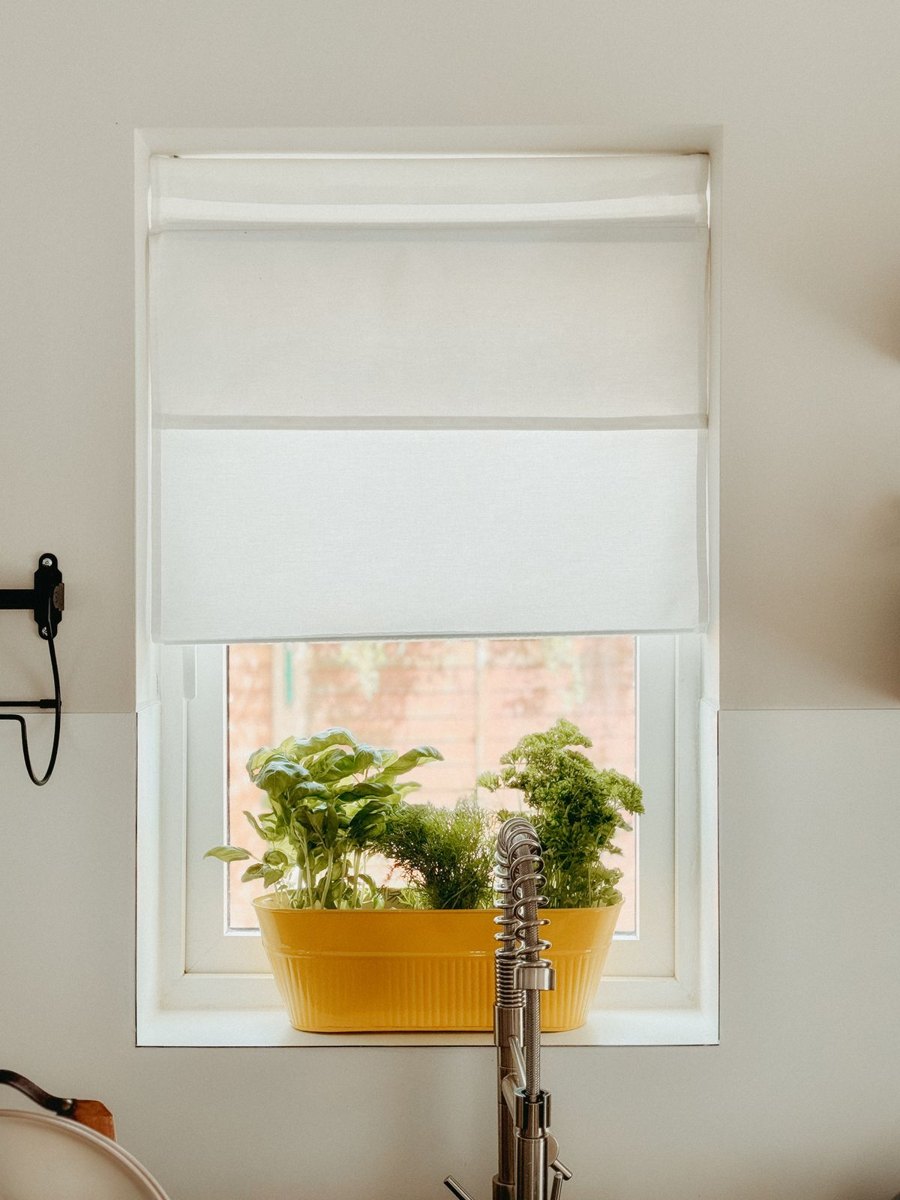
One pot of herbs will not feed a household through an emergency. It can, however, teach useful habits: noticing light, judging moisture, following a planting schedule and harvesting without taking the whole plant. Start with that realistic purpose rather than buying a collection of seeds labeled as a complete self-sufficiency solution.
Choose an herb you already use in the kitchen. Read its growing requirements and compare them with the space available. A sunny outdoor spot, a shaded balcony and an indoor windowsill are different growing environments, even when all three have room for a pot.
Match the container to the plant
Use a suitable container with drainage holes and an appropriate potting mix. A decorative outer pot can hold runoff, so check that the growing pot is not left sitting in collected water. Consider the mature plant size rather than only the tiny size of the purchased start.
University of Minnesota Extension notes that most herbs need substantial direct sunlight and good drainage. Follow guidance for the particular herb and your local climate; a general light recommendation does not mean every indoor window supplies enough usable light.
Make care observable
Position the pot where you will notice it during an ordinary routine. Check moisture and the plant’s condition instead of watering solely because a calendar says so. Container size, weather and indoor conditions can change how quickly the mix dries.
Keep the plant label and record the date it was planted. If you fertilize, use a product and application appropriate to the herb, following the label. More fertilizer is not a shortcut to learning why a plant is struggling.
Harvest modestly and review
Learn the correct harvesting method for that herb and avoid taking more than the plant can recover from. Use clean tools and do not assume an unknown plant is edible because it resembles a familiar herb. Keep plants, fertilizers and tools appropriately separated from children and pets.
At the end of the growing period, note what worked: the location, container, watering pattern and amount you actually used. Expand only when you understand the first pot. A small success based on observed conditions provides a better foundation than a crowded collection that becomes difficult to care for.