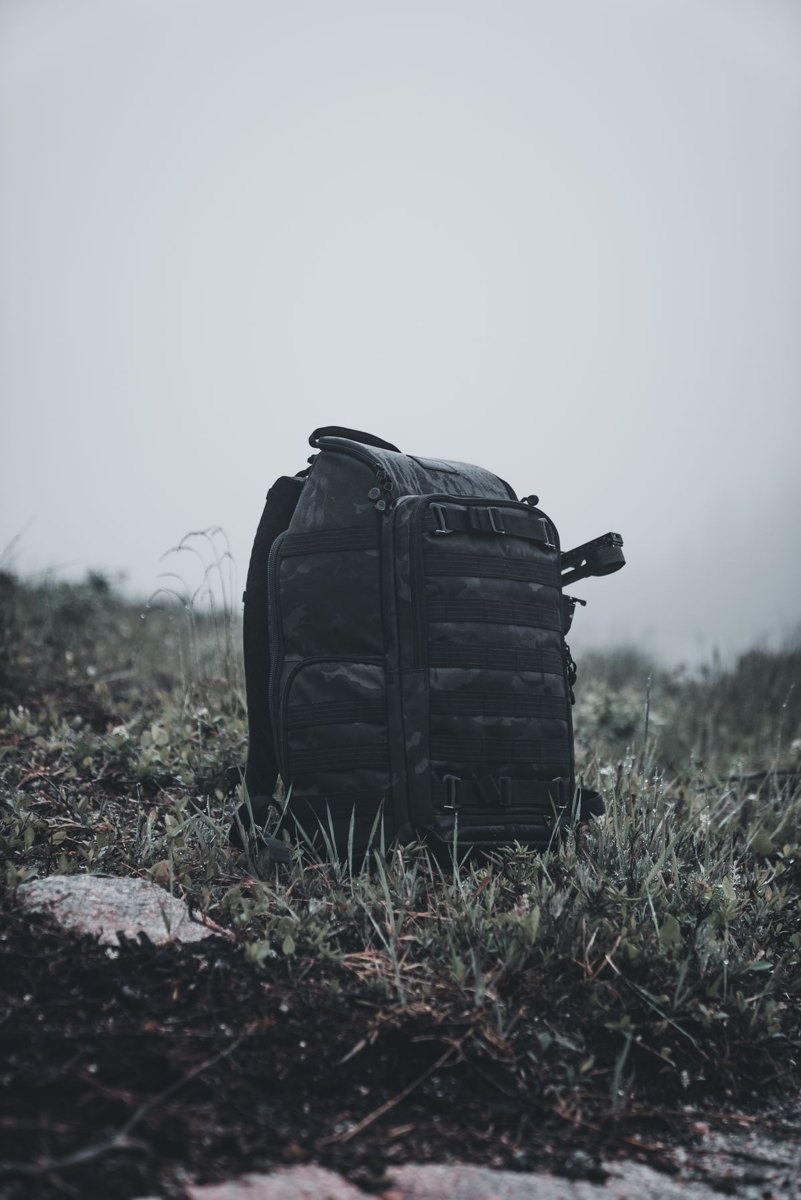
A bag that closes neatly on the kitchen table may be awkward on the trail. The rain layer can end up beneath lunch, the water bottle can pull one side down and the light can disappear into a deep pocket. Packing by the order in which you may need things makes the equipment easier to use.
Lay out the items for the particular route and conditions before choosing their positions. The National Park Service's ten essentials offer a starting framework, including navigation, light, extra clothing and water. The amount and form of each item still need to suit the trip. Organizing a bag cannot make an incomplete equipment list sufficient.
Separate immediate access from storage
Keep the map, rain protection and a small snack accessible without unpacking the main compartment. A phone or camera may need weather protection, even when it sits in an outer pocket. Use a closure you can operate without dropping the contents onto the ground.
Put heavier items close to your back and avoid a lopsided load. The exact arrangement depends on the pack's design and the shape of your equipment. A bottle holder that works when standing still may release the bottle when you lean forward, so test it over a safe surface at home.
Spare clothing and other dry essentials need their own protection inside the pack. A rain cover helps with falling rain but does not make every opening waterproof. Keep wet items separate so that a damp jacket does not soak the layer you are saving for later.
Try the bag as a system
Load it with the actual water and food you plan to carry. Adjust the straps according to the pack maker's instructions and walk around for a while. Reach for the bottle, put the jacket on and take out the map. Notice what catches, shifts or requires someone else's help.
Keep small related objects together, but avoid turning every item into a separate container. A few clearly different pouches are easier to recognize than a stack of identical black bags. Label unfamiliar shared equipment so another member of the group can find it.
Before departure, confirm who carries shared supplies. Two people each assuming that the other has the repair kit is a packing failure that a heavier backpack will not fix. After returning, put away wet equipment, replace used items and change the layout if something was consistently hard to reach. The best arrangement is the one you can use without a lengthy search.