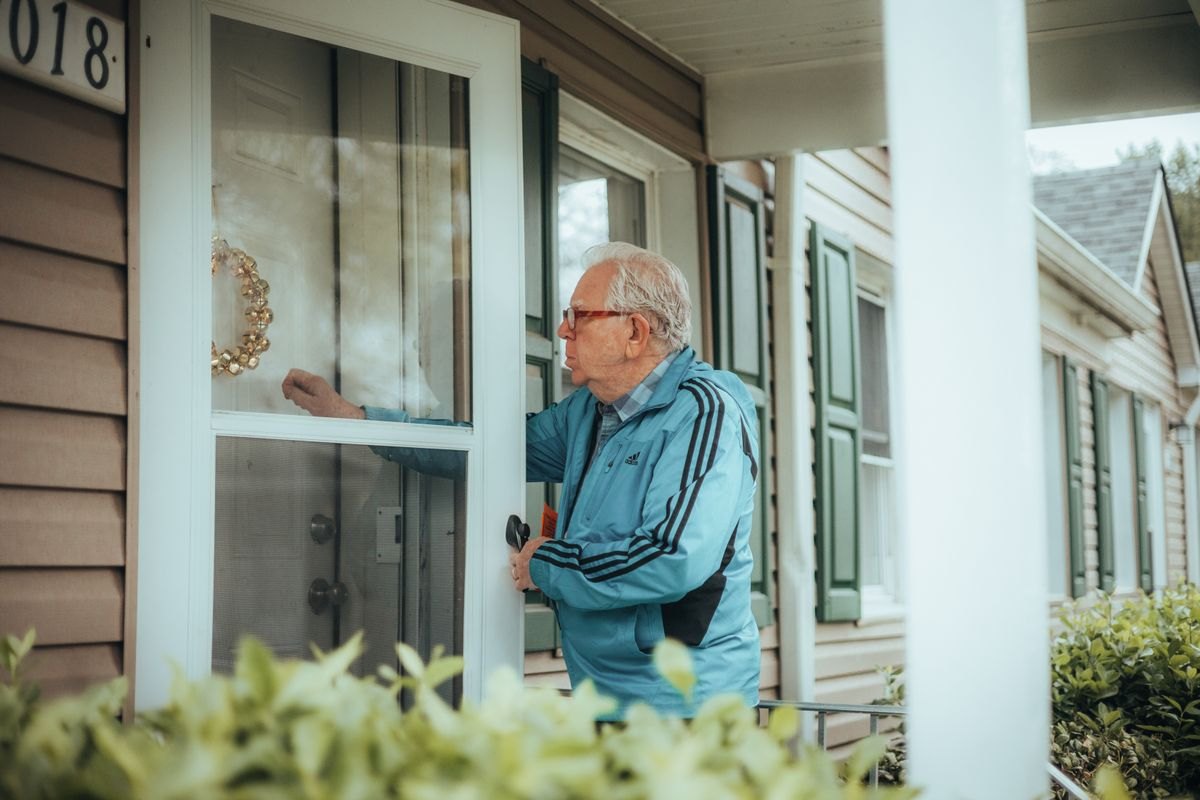
Knowing one nearby person’s name and number can make an everyday disruption easier to manage. It does not require sharing the contents of your emergency supplies or inviting the whole street into a private group. Start with a modest offer or request that both people understand.
For example, you might agree to exchange official road-closure information or send a check-in message after a long outage. Someone may want help moving a lightweight item before forecast winds. Ask rather than assuming, and make it comfortable to say no.
Describe the help accurately
“Check on me” can mean a text, a knock or a request for emergency assistance if there is a specific concern. Agree which one you mean. A missed reply alone may simply mean a phone is charging elsewhere. Discuss a sensible next step without creating an expectation that a neighbor will force entry or conduct a rescue.
Keep limits clear. Nobody should go into smoke, floodwater, damaged buildings or a suspected gas leak to carry out a neighbor agreement. Urgent danger belongs with emergency services. Mutual help should not turn into untrained hazardous work.
Share contact details deliberately
Exchange the numbers needed for the arrangement and ask before forwarding them. If a group chat is useful, explain its purpose and who is included. Avoid posting health details, door codes, travel dates or photographs of somebody’s home without permission.
Give factual updates and identify the official source when sharing an alert. Separate something you personally observed from a rumor. Repeated unverified messages can make a group less useful at exactly the time people need clear information.
Revisit the agreement casually
A new work schedule, a move or changing health needs can affect availability. Check occasionally that the arrangement still suits both sides. Do not build a household plan around one neighbor always being home.
Keep your own supplies, contacts and transport planning in place. The neighbor relationship adds a useful local connection; it does not transfer responsibility for your household to somebody next door. A simple agreement that respects privacy and limits is more likely to last than an ambitious network nobody feels able to manage.