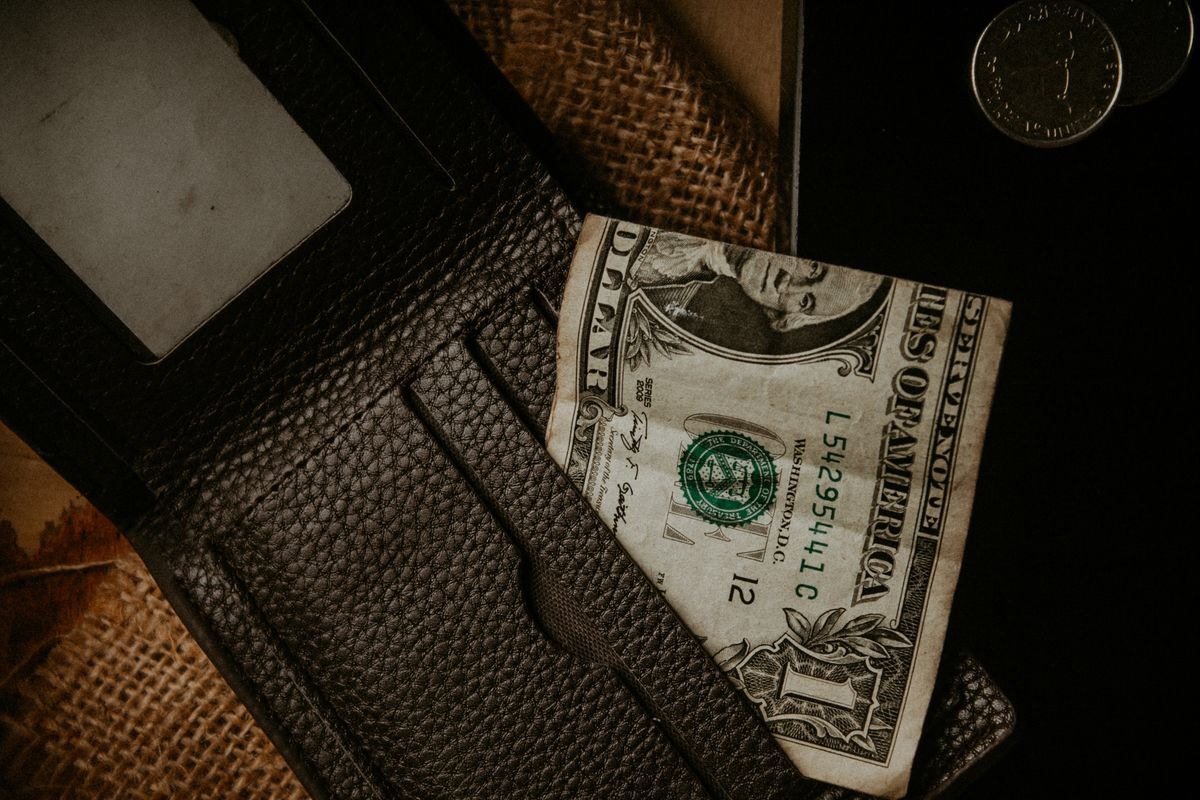
The useful amount of emergency cash is tied to what you might need to buy, not to a dramatic number on a checklist. Think of a few ordinary transactions: food for a delayed journey, transport, or an essential item from a business whose card terminal is down.
Cash will not make a closed store open or guarantee that fuel is available. It is one payment option within a wider plan. Keep normal bills and immediate household needs ahead of building a reserve you cannot comfortably afford.
Work from purchases
Write down likely purchases for your household and area, then choose a modest starting amount. Small denominations allow more flexibility if a seller cannot provide much change. There is no need to convert all savings into notes or carry a conspicuous bundle.
Consider who may be away from home when a disruption begins. A small amount in a secure everyday wallet may be more accessible than everything stored in one place. Balance that access against the possibility of loss or theft. Do not announce where a reserve is kept.
Give it a safe, ordinary home
Keep the money dry and secure, with access limited to appropriate household members. Avoid storing it in a location that is routinely exposed to heat, moisture or visitors. A labeled public-facing “emergency cash” envelope makes the contents unnecessarily obvious.
If you include cash with departure supplies, check that the bag itself is stored securely. A grab bag positioned for convenience should not become an unattended collection of identity papers and valuables.
Review without turning it into another chore
When you check the household plan, confirm that the reserve still exists and reflects current needs. Replace money used for an ordinary purchase when affordable. Keep a private note so a missing amount is noticed rather than assumed to be available.
FEMA’s financial preparedness resources place cash alongside records, insurance information and access to financial services. Treat it in that context. A few usable bills can solve a payment problem; they do not replace an emergency budget, secure records or arrangements for longer disruptions.