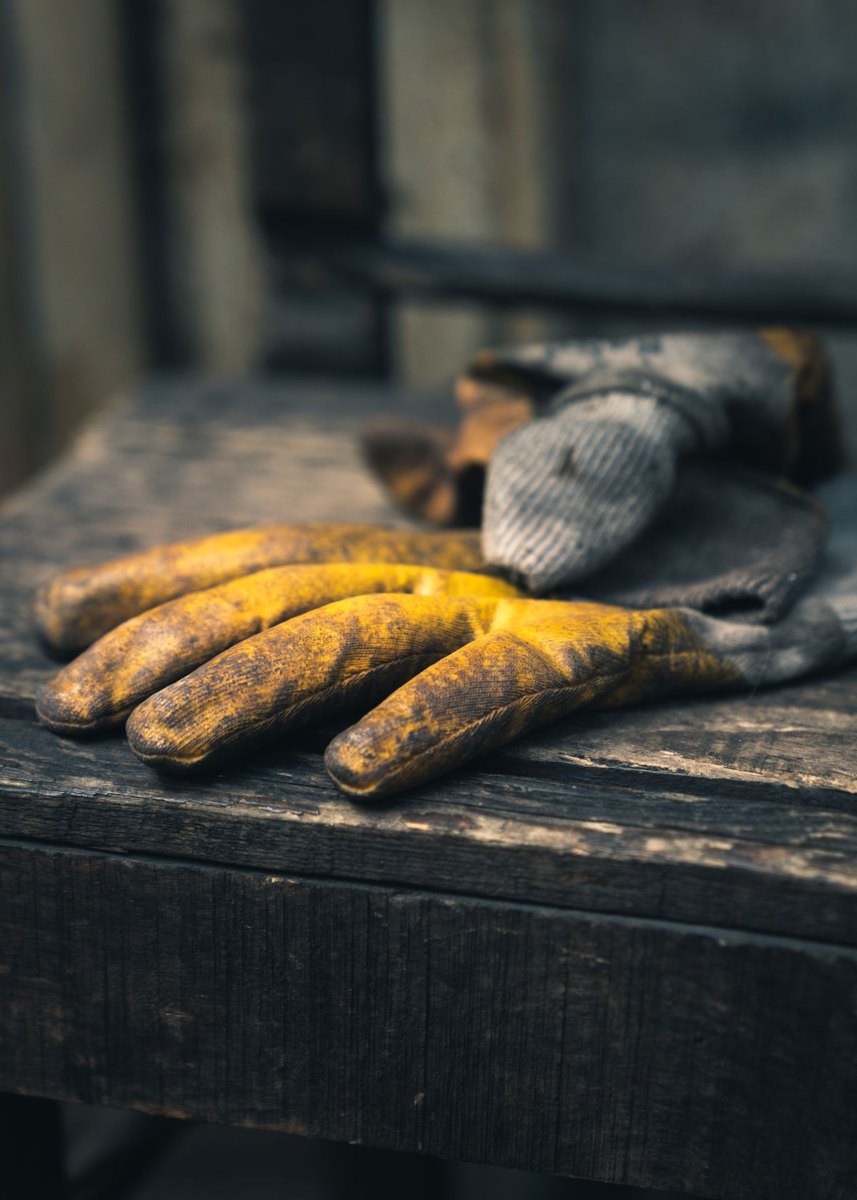
The label “work gloves” describes a broad category. A pair that is comfortable for carrying dry boxes may be unsuitable for a cleaning chemical, sharp debris or heat. Start by naming the task and the hazard, then look for evidence that the glove is intended for that use.
OSHA’s protective-equipment guidance notes that no glove protects against every hand hazard. Although workplace rules are not a household shopping checklist, the underlying selection principle is useful: match the protection to the exposure rather than relying on appearance.
Separate the jobs
For ordinary dry handling, consider abrasion protection and grip. For chemicals, use the product label or safety information to identify suitable glove material and limitations. A glove can be chemically unsuitable even if it does not immediately show damage.
Heat-resistant, cut-resistant and electrical-protection gloves are different products with specific ratings and uses. Do not infer electrical protection from a rubber-like surface, or assume “cut resistant” means cut-proof. Hazardous electrical work belongs with qualified professionals regardless of the gloves available.
Try the movements you need
Check fit around the fingers and palm. Excess material can make small controls difficult, while an overly tight glove may restrict movement. Test a harmless version of the intended action, such as opening an empty container or holding a tool with its power disconnected.
Consider whether gloves are appropriate at all for the equipment involved. Moving machinery can introduce entanglement hazards; follow the equipment’s safety instructions rather than adding gloves automatically. The glove choice must fit the whole task.
Inspect and store them by purpose
Look for holes, worn areas, stiffening, contamination or damaged seams before use. Clean or replace gloves according to their instructions. Do not place chemically contaminated gloves back with clean household supplies.
Keep distinct pairs for tasks that should remain separate, and label them if that helps the household. Store them dry and away from conditions that degrade their material. If a task exceeds the protection or skills you have, stop and arrange suitable help. A glove is one part of reducing a known risk, not permission to handle an unknown substance or dangerous debris.