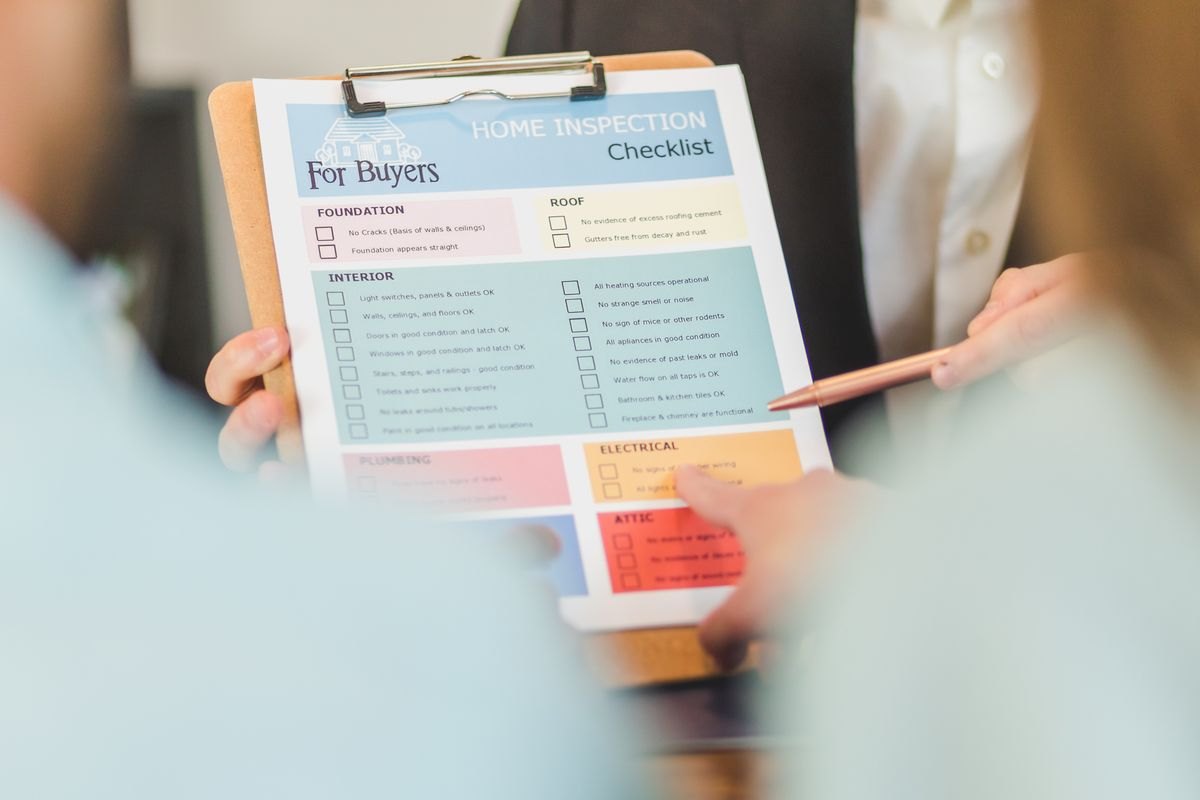
Walk through the home with a notebook before opening a shopping website. The exercise is to notice a few specific problems, not to imagine every product you could own. Begin with an ordinary disruption such as an evening outage and ask what each room would need to remain usable or be left safely.
Write down the location and the missing function. “Hallway has no accessible light” gives you something to solve. “Buy emergency gear” gives a retailer permission to define the problem for you.
Look for what is already present
Check whether an item is missing, broken or simply stored in the wrong place. A working flashlight borrowed permanently by another room may need to be returned rather than replaced. A bag that is difficult to carry may need fewer contents, not more accessories.
Note details that prevent a mistaken purchase: battery size, connector type, storage dimensions or the person who must lift a container. Photograph a model label where useful and safe. Measurements are especially helpful when shopping for something that has to fit a narrow cupboard or an existing device.
Include actions that cost nothing
Some findings belong on a task list rather than a shopping list. Updating a contact number, clearing an exit or reading a manual may resolve the issue. Keep those tasks visible so buying products does not become the only form of progress.
For a problem needing professional work, record the assessment or service required. Do not convert a concern about wiring, gas or structural damage into a DIY tool purchase just because tools are easier to order than a service appointment.
Rank and buy selectively
Choose the gaps with the clearest effect on essential needs and safety. Check the budget and ongoing costs before buying. Compare products against the recorded requirement, including compatibility and maintenance, rather than against whichever listing has the longest feature list.
After an item arrives, test it appropriately and put it in the location that prompted the purchase. Cross off the problem only when the solution is usable. If the item does not fit or work as expected, resolve that while returns or support are straightforward. The completed walk-through should leave the home easier to use, not merely leave another unopened box in the hallway.